
On December 10, 2025, the Erasmus+ Information Day in Kazakhstan took place at Esil University in Astana
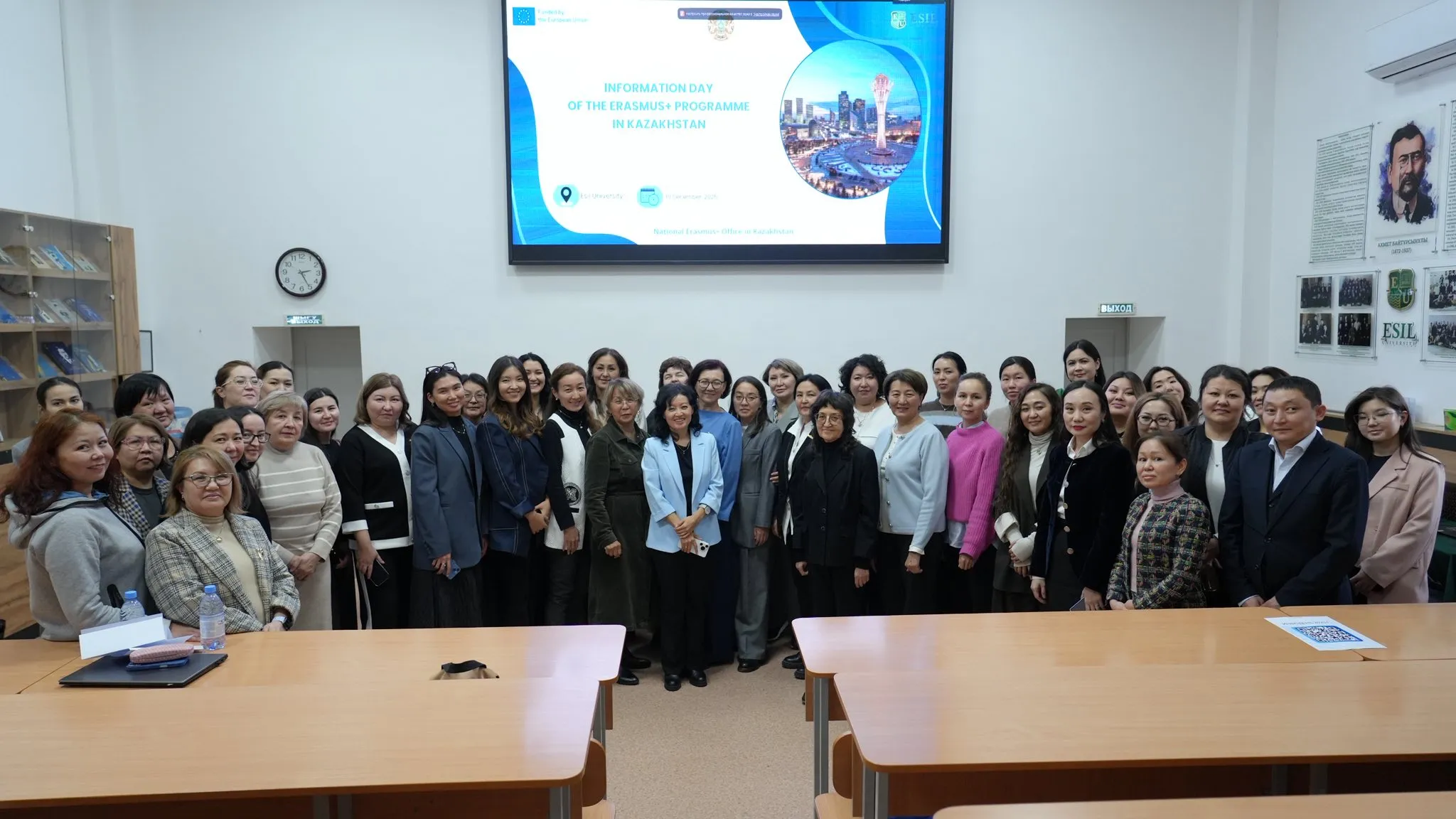
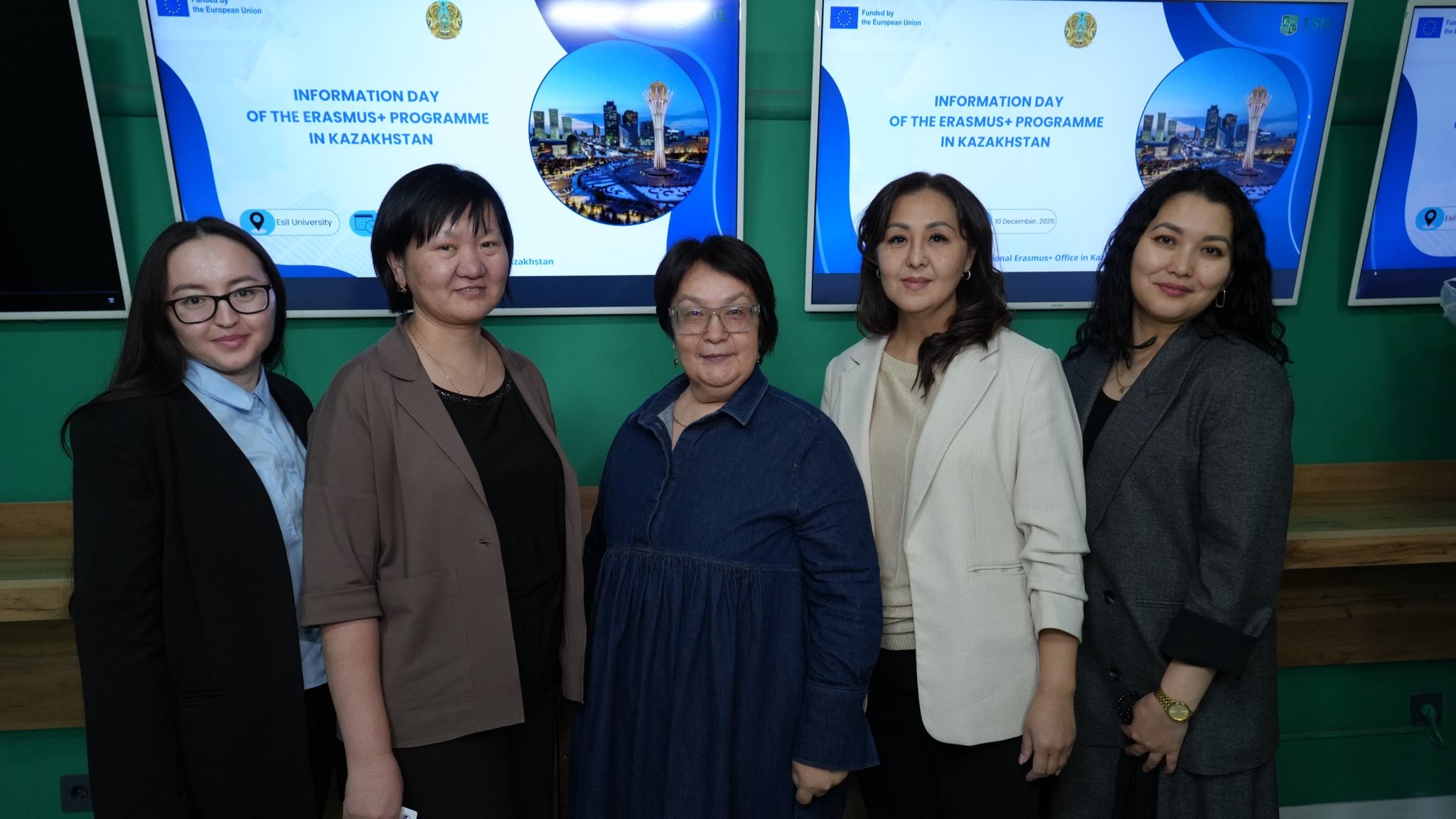
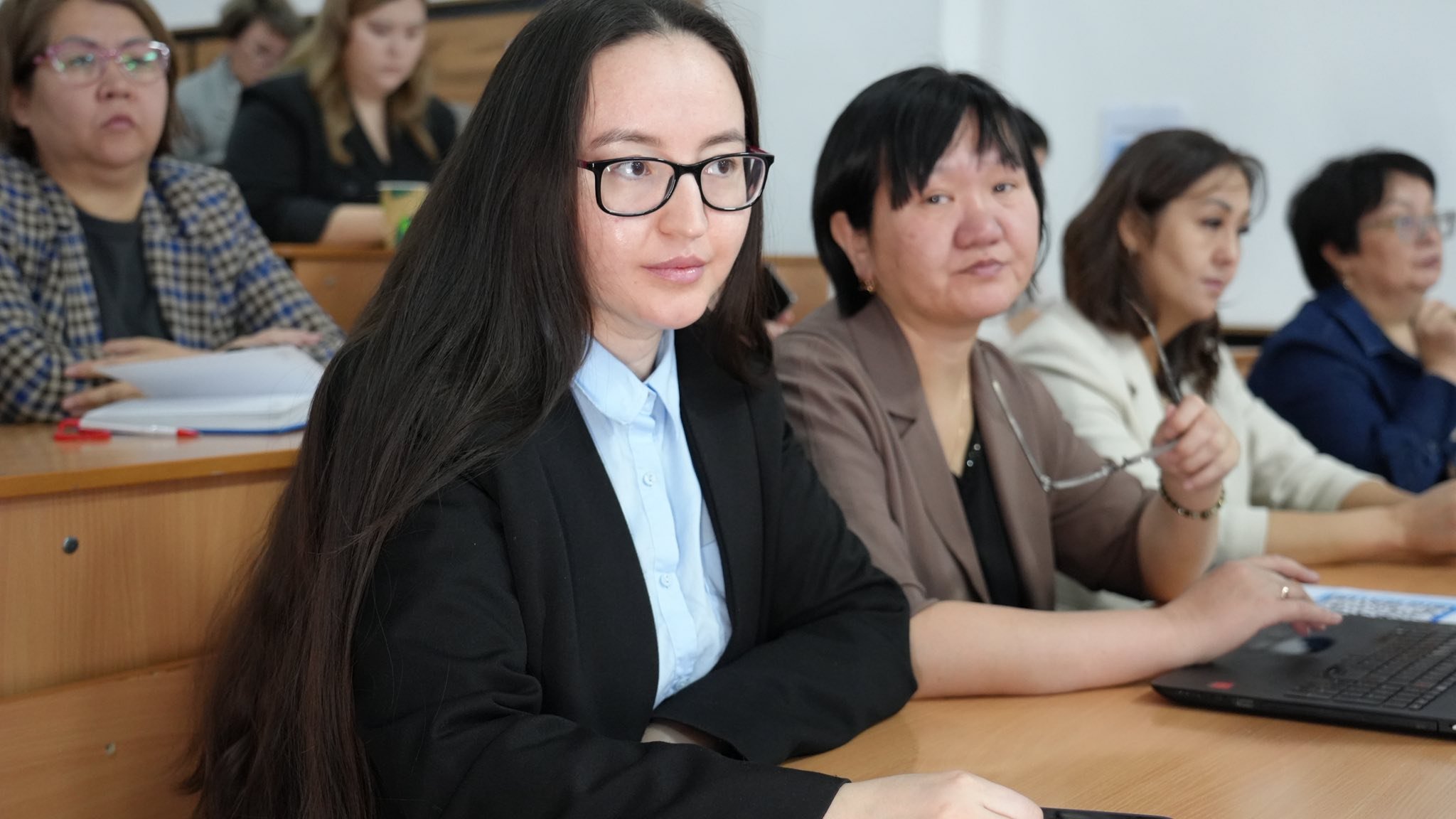
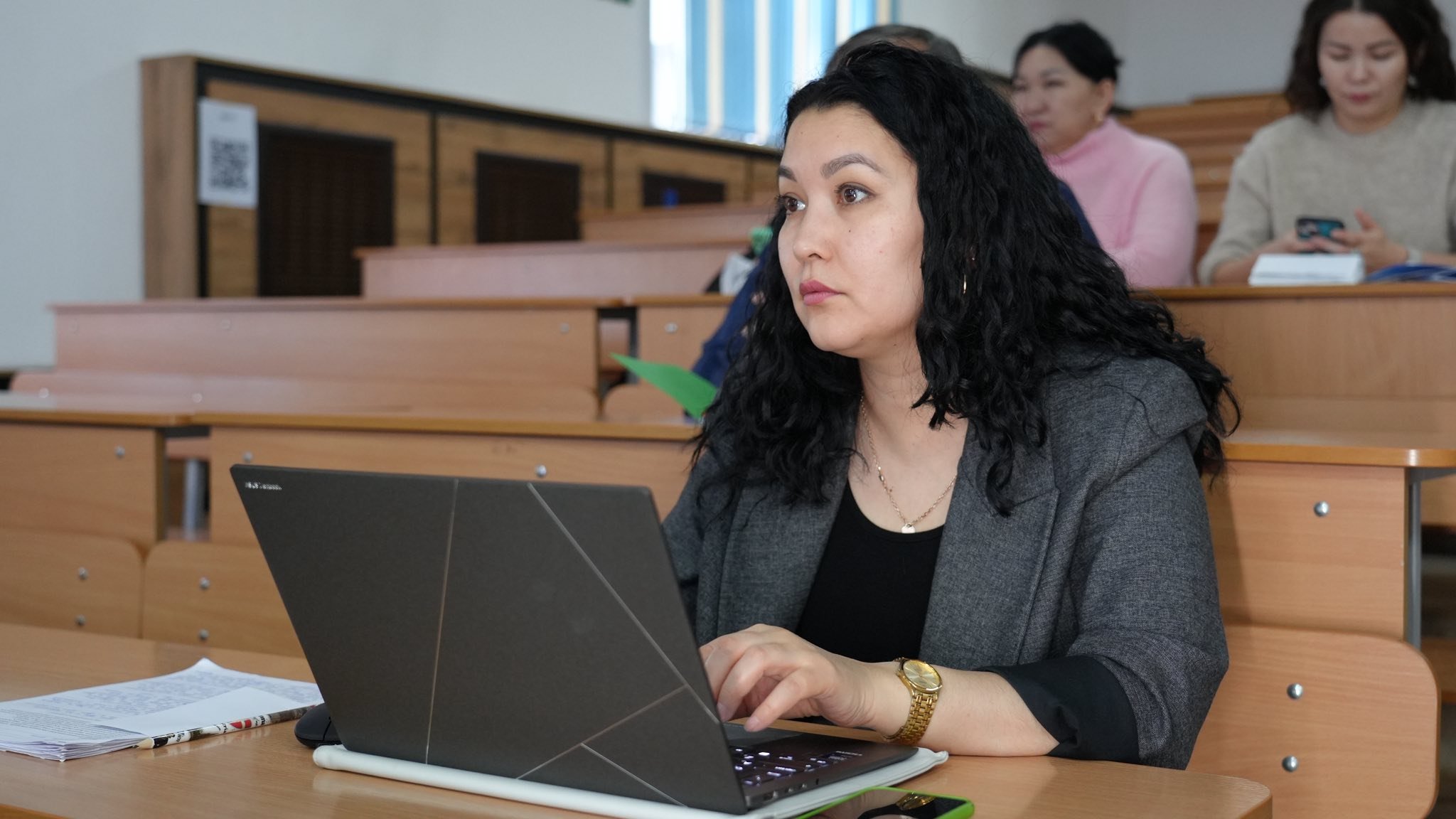
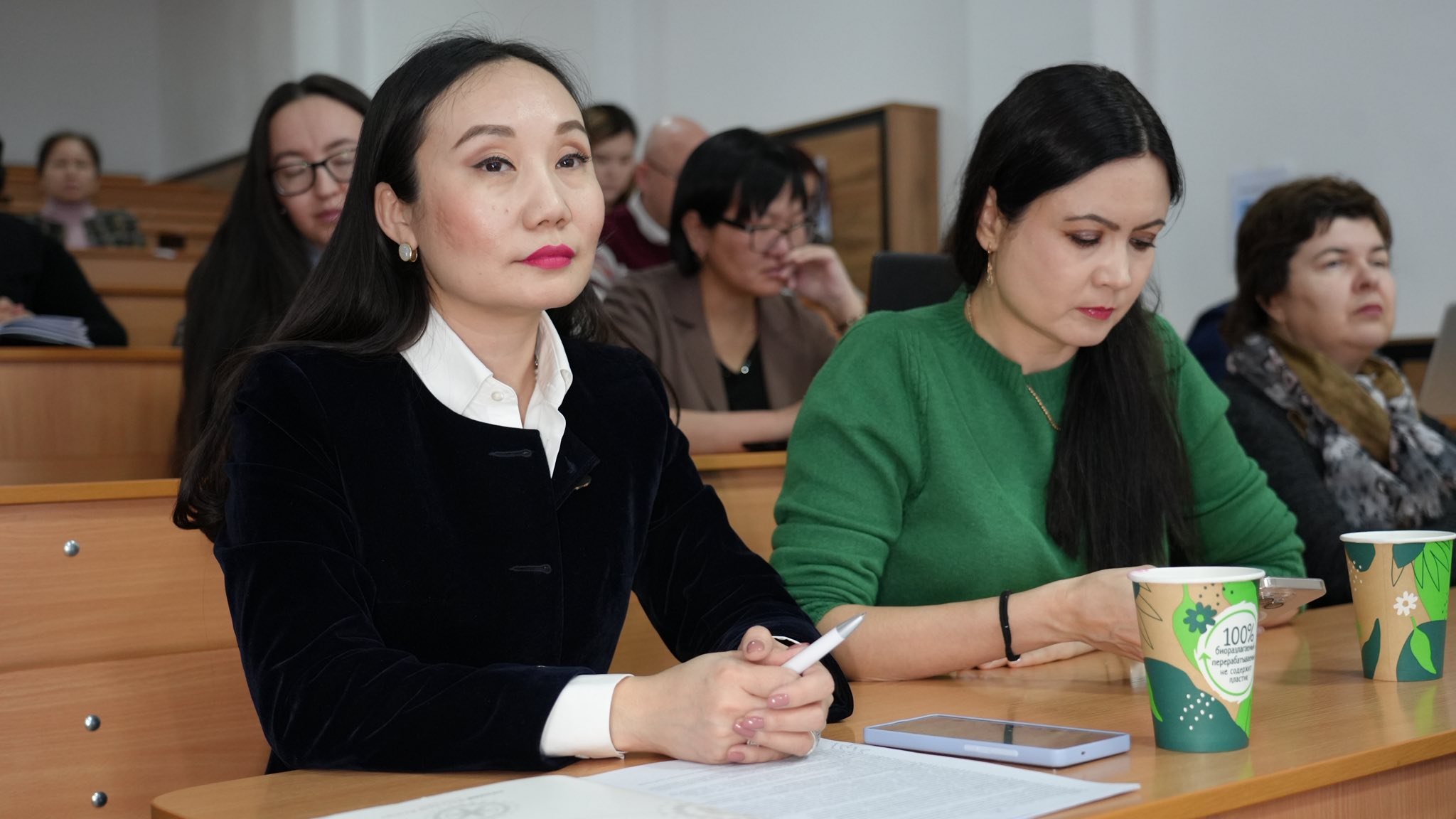

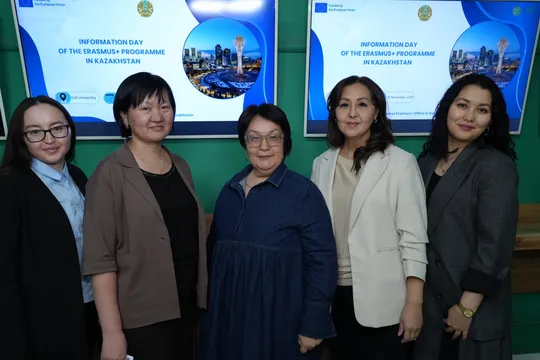

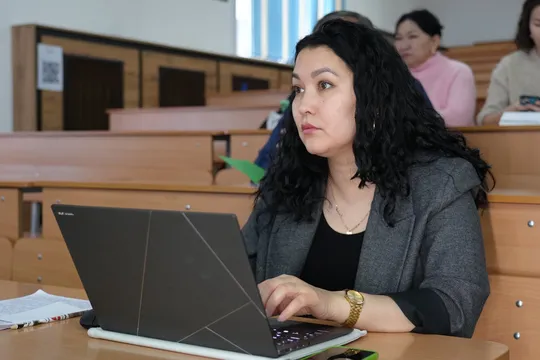
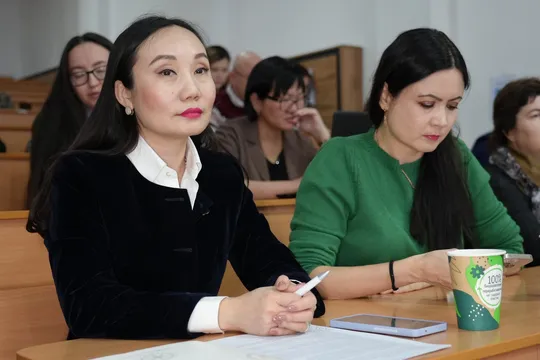
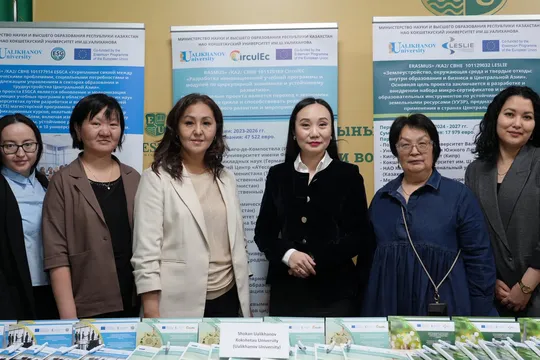

On December 10, 2025, the Erasmus+ Information Day in Kazakhstan took place at Esil University in Astana — a key event for universities, researchers, and project administrators engaged in international educational initiatives.
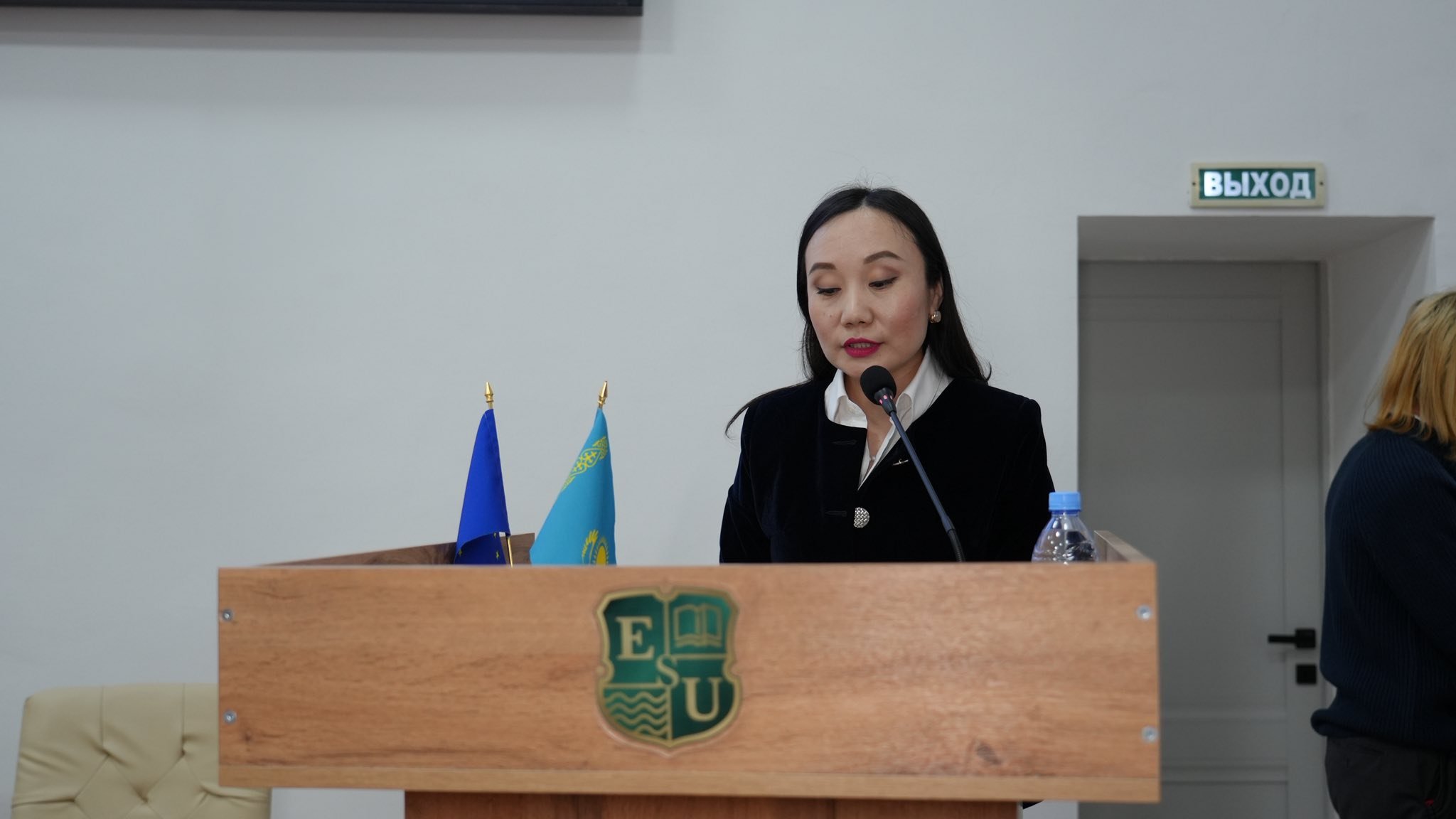
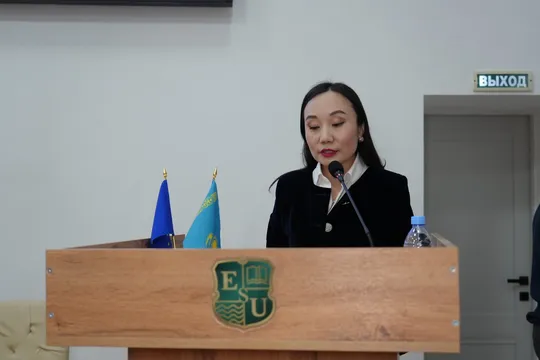
As part of the official program, Dinara Ryspaeva, Vice-Rector for Academic Affairs at Ualikhanov University, delivered a presentation titled “Grant Holder Experience in the CBHE Project.”
In her speech, she highlighted the university’s practical experience in Erasmus+ projects and introduced the new project ERASMUS+ /KA2/ CBHE 101237740 DIANA
“Empowering Women through the Development and Implementation of Entrepreneurship in Rural Tourism in Kazakhstan and Uzbekistan.”
The DIANA project represents a strategic milestone for Ualikhanov University, as it marks the first time the university has become the grant holder of a European Erasmus+ project, assuming the coordination of a large international consortium.
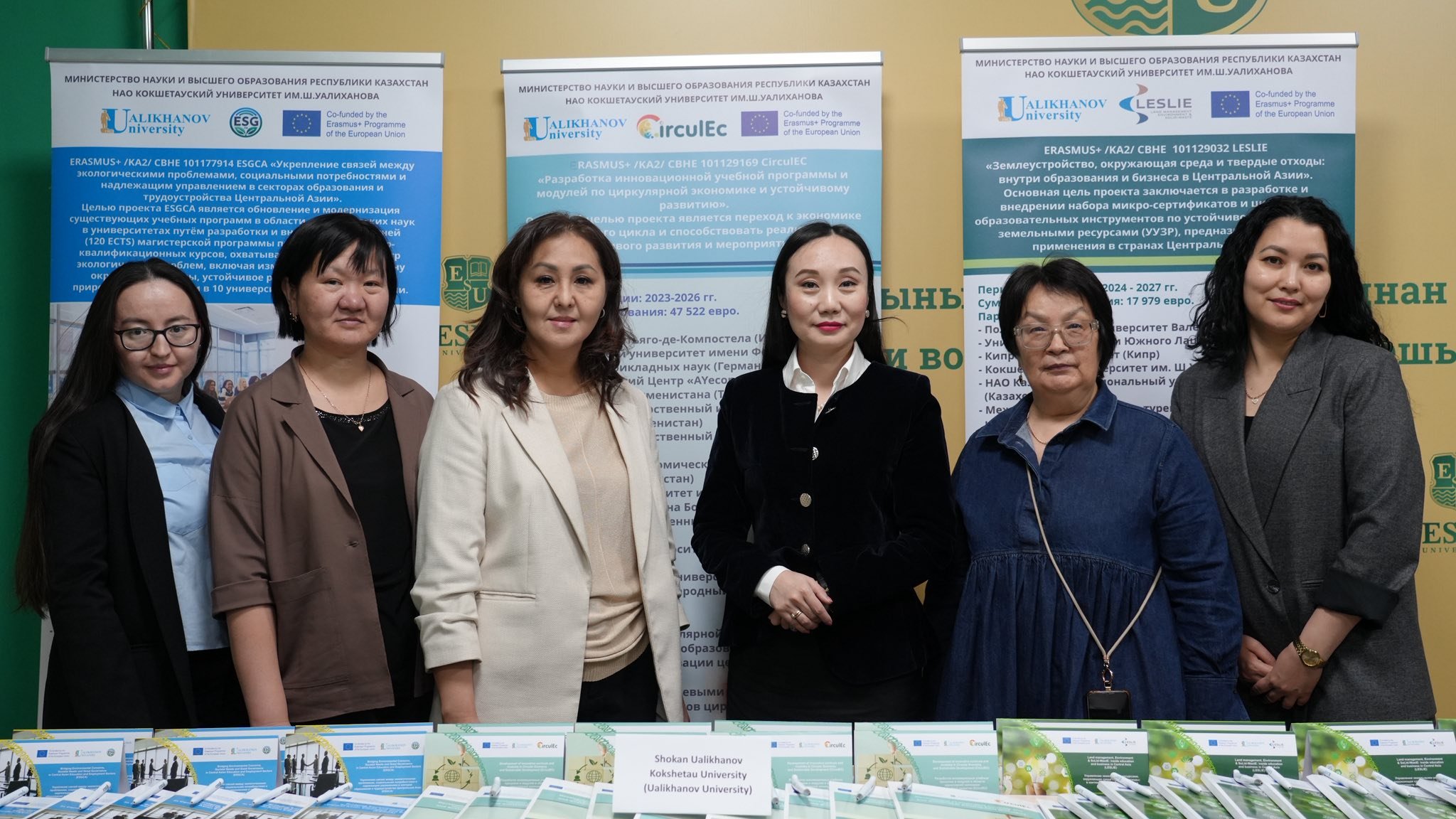
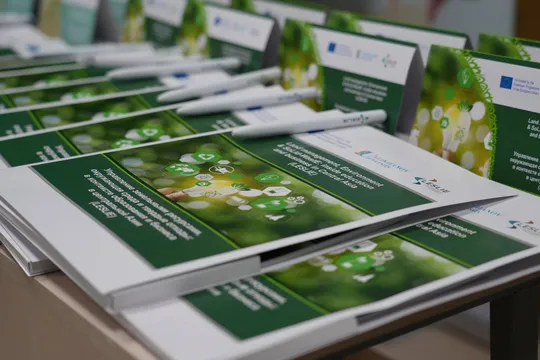
- The project aims to enhance economic opportunities for women living in rural regions of Kazakhstan and Uzbekistan by developing entrepreneurial skills in rural and ecotourism.The project aims to enhance economic opportunities for women living in rural regions of Kazakhstan and Uzbekistan by developing entrepreneurial skills in rural and ecotourism. Additionally, during the Information Day, the Ualikhanov University team showcased the university’s ongoing Erasmus+ projects at the exhibition:
- CirculEC – Developing innovative curricula and modules on circular economy and sustainable development;
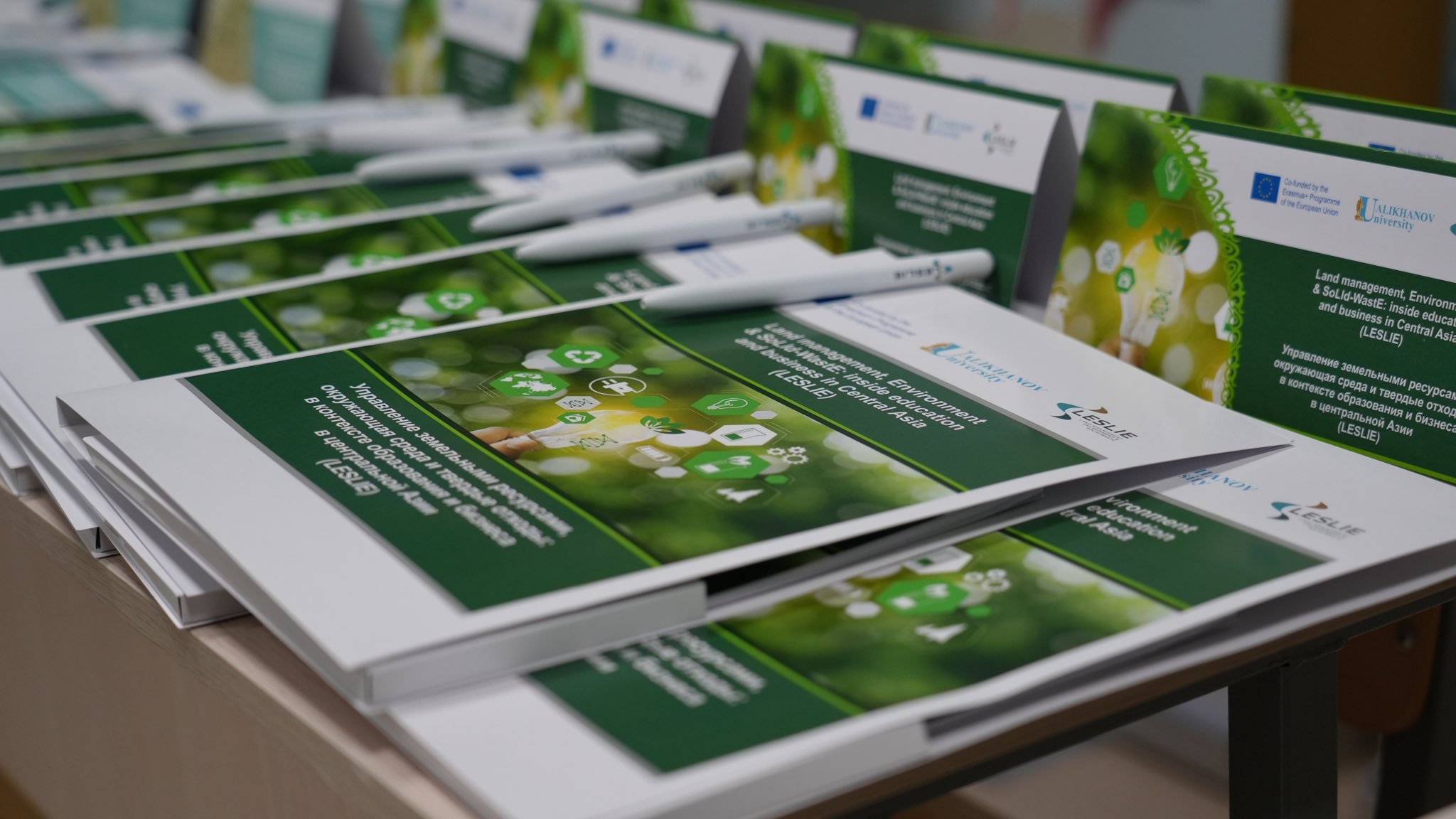
- LESLIE – Land management, environment, and solid waste: linking education and business in Central Asia;
ESGCA – Strengthening connections between environmental challenges, social needs, and good governance in education and employment sectors in Central Asia.
The Ualikhanov University exhibition generated strong interest among participants, as each project demonstrated real changes in educational policy, digital competencies, environmental sustainability, and international cooperation.
Today, Erasmus+ is more than academic mobility.
It is a key driver of systemic change, capacity building, international collaboration, and regional development.