
“European Education: Where Tradition Meets Innovation”
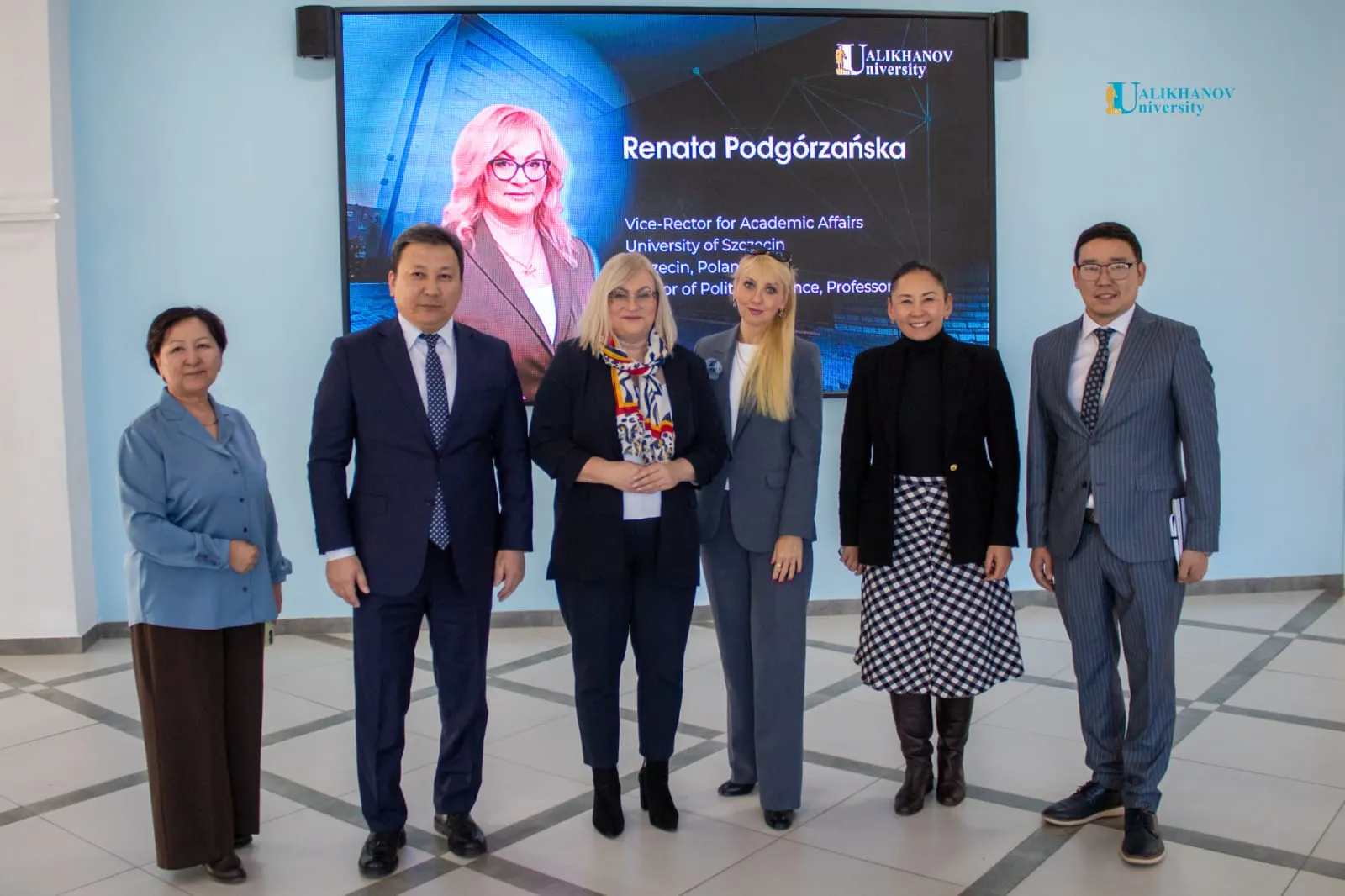
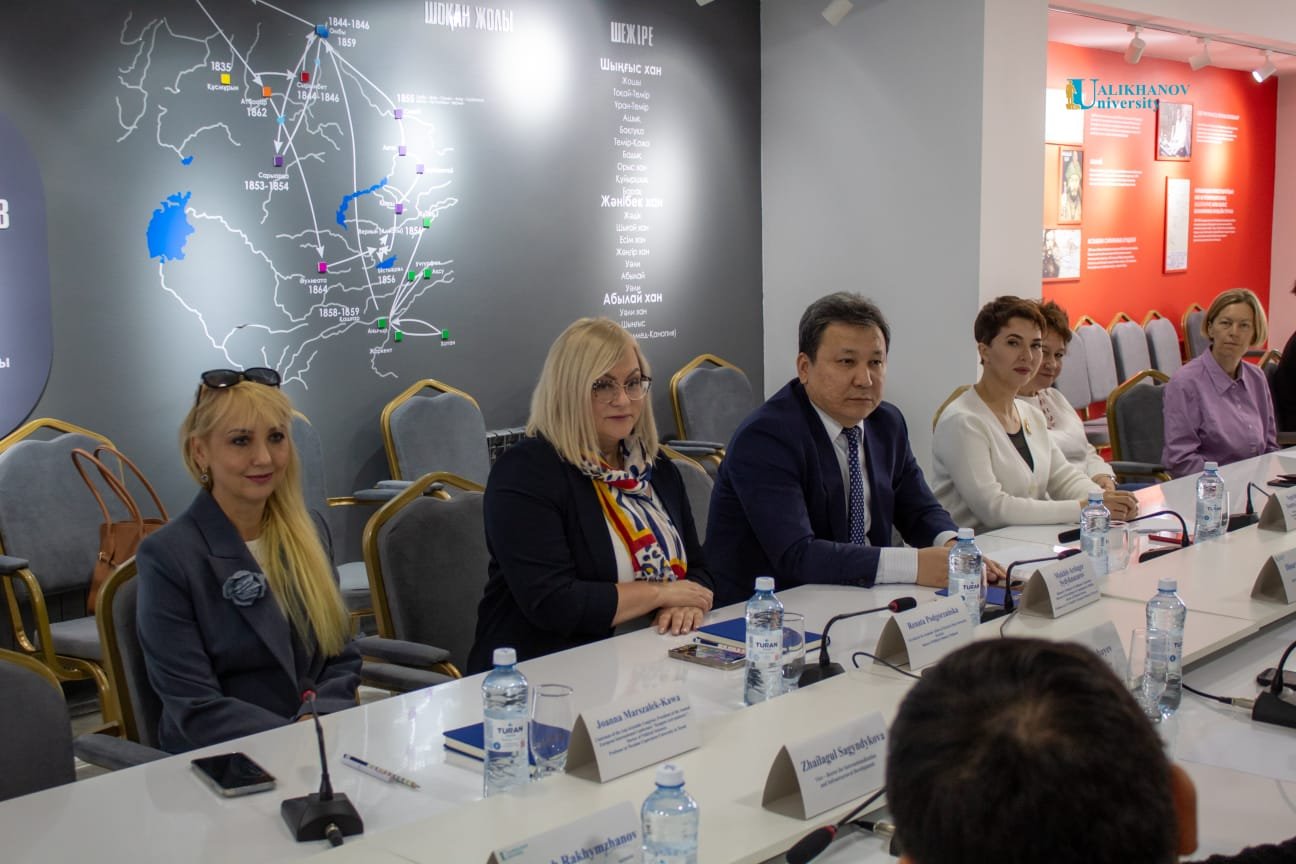
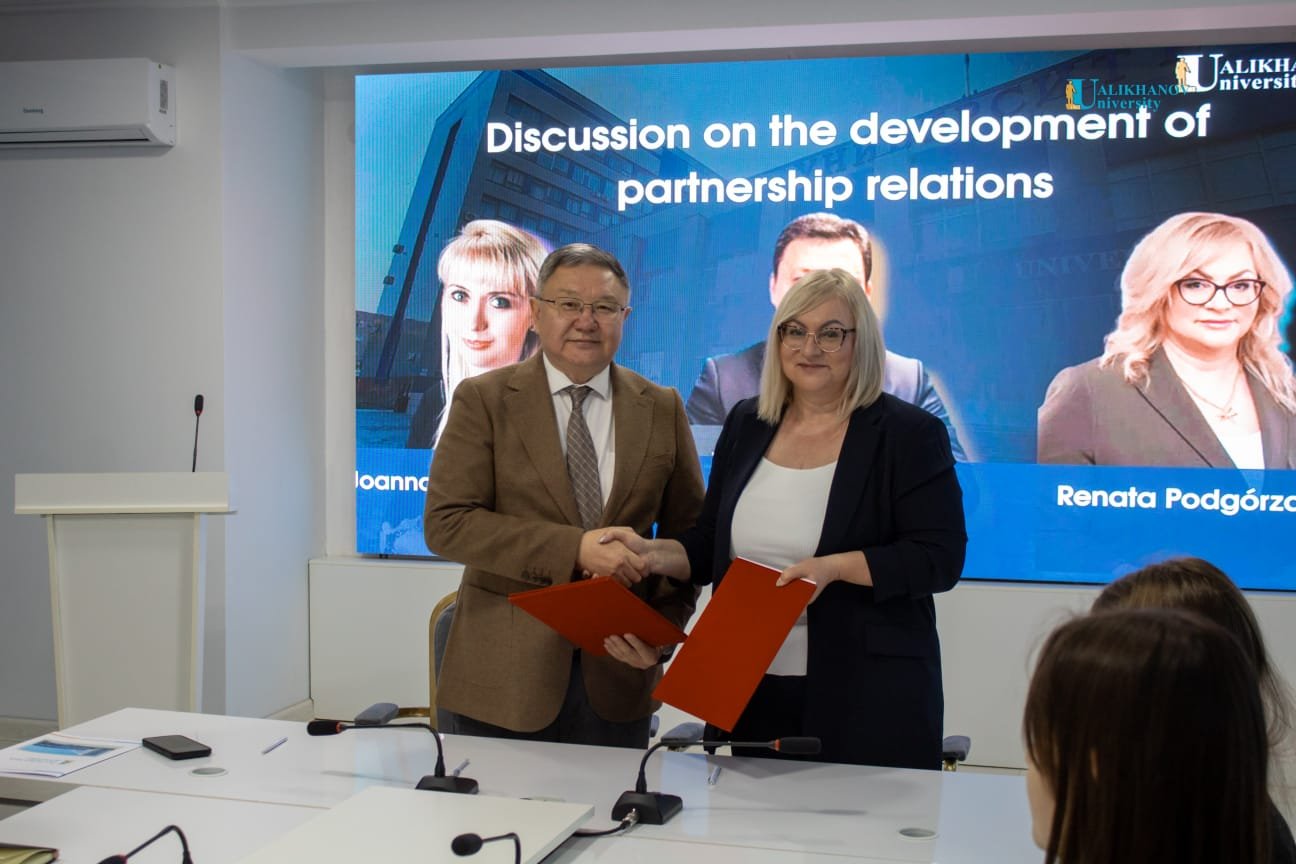
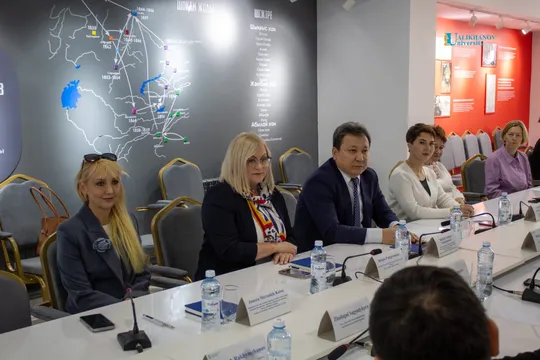
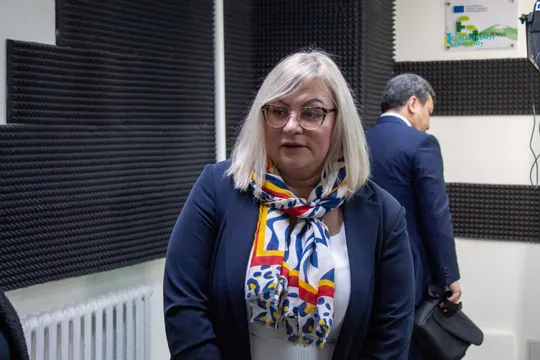
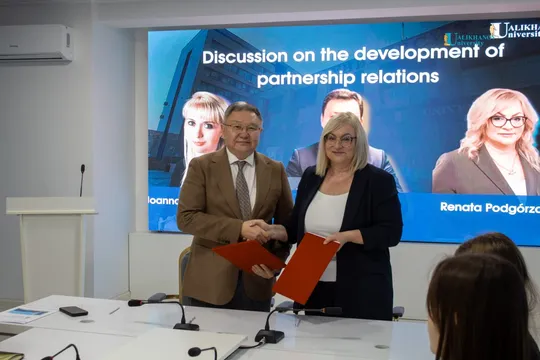
Dr. Renata Podgórzańska, Habilitated Doctor of Political Science, Professor and Vice-Rector for Academic Affairs at the University of Szczecin (Poland) discusses key trends, international opportunities, and the role of Poland in the European educational space in an interview for Ualikhanov University.
How would you characterize contemporary European higher education? What do you think are its main strengths?
Contemporary European higher education is characterized by a process of deep integration and harmonization of academic structures, initiated by the Bologna Process and developed within the framework of the European Higher Education Area. One of the key features of European higher education is international mobility, mainly through the Erasmus+ program, which supports academic exchange and inter-university cooperation. The system is also based on education initiatives, which are reflected in accreditation and quality assessment mechanisms.
An important element remains the autonomy of universities, which guarantees research and teaching independence while ensuring responsibility for the results of scientific and educational activities.
European universities also fulfill a social mission, recognizing education as a public good. In addition, contemporary higher education in Europe combines scientific functions with the innovation economy, developing scientific research and innovative projects supported by European programs. At the same time, it preserves the diversity of traditions and organizational models. In recent years, digitization and modern forms of teaching, such as distance learning, hybrid learning, and open educational resources, have also played an increasingly important role.
This is complemented by the dynamic development of international scientific cooperation, which strengthens research and cultural integration. As a result, European higher education today is an open, integrated, and pluralistic system that combines academic tradition with the modern challenges of the global knowledge economy. The above-mentioned characteristics of European higher education are its strengths. At the same time, higher education in Europe faces problems, including insufficient funding for public universities and growing bureaucratization. Inequality of access to education between regions also remains a problem.
What do you think makes Poland attractive to foreign students? Is it the education system, academic culture, geographical location, or other factors?
Poland is becoming an increasingly attractive destination for foreign students for several complementary reasons, including both the education system and cultural, economic, and geographical conditions. First of all, the Polish higher education system has been reformed in recent decades, ensuring its full compatibility with European academic standards and the recognition of diplomas throughout Europe.
Universities in Poland, including the University of Szczecin, offer an increasing number of programs in English, which makes studying much easier for students from outside the country. Another important factor in Poland's attractiveness is the relatively low cost of living and tuition fees, which makes Poland competitive with Western European countries while maintaining a high level of education.
The attractiveness is also influenced by the academic culture, combining European university traditions with openness and hospitality, as well as the growing internationalization of the scientific community. Poland also stands out for its security, political stability, and membership in the European Union. Poland's geographical location is conducive to intercultural contacts and makes the country a natural bridge between East and West.
Cultural factors, rich history, humanistic heritage, dynamic academic culture, and the attractiveness of Polish academic cities such as Warsaw, Krakow, Wrocław, Szczecin, and Gdańsk are also playing an increasingly important role. Finally, an important element is the development of science and technology, supported by European funds, which makes Polish universities increasingly competitive in the field of science and education. As a result, Poland is perceived as a country offering solid education, cultural openness, and favorable living conditions, providing an alternative to expensive academic centers in the West, and at the same time a place of growing importance in the international educational space.
What features of the Polish approach to science do you consider most valuable and interesting for foreign students?
The Polish approach to science has a number of features that may be particularly interesting and valuable for foreign students. First and foremost, it is distinguished by a strong attachment to academic tradition. Polish science places great emphasis on solid theoretical foundations, critical thinking, and intellectual independence, which allows students to develop not only practical knowledge, but also the ability to analyze, interpret, and think synthetically. Another important feature is interdisciplinarity. Polish academic centers are increasingly combining the humanities, social sciences, technical sciences, and natural sciences in joint research projects.
Polish universities are also characterized by direct contact between students and lecturers, which promotes the individualization of the teaching process and the building of academic partnerships. For foreign students, it may also be important that Polish science maintains a balance between tradition and modernity, combining a classical approach to knowledge with openness to new technologies, digitization, and innovative research methods.
From an international perspective, the ethics of scientific work and the high level of expertise of Polish researchers are also attractive, as confirmed by the growing number of publications in renowned journals and participation in European research programs.
What advice would you give to young people from Kazakhstan who are planning to study in Poland?
My main advice to young people from Kazakhstan who are planning to study in Poland would be to treat this choice not only as an investment in education, but also as a cultural and life experience that will allow them to develop intellectually, socially, and personally. Poland offers a high level of education, a wide range of programs in English, and the recognition of diplomas throughout the European Union, so it is worth familiarizing yourself with the offerings of individual universities, such as the University of Szczecin, and choosing a program that suits both your interests and future career plans.
A key step is solid language preparation, as knowledge of Polish opens up many more opportunities for integration, work, and participation in academic life, although many courses are taught in English. It is also worth learning the basics of Polish culture, history, and academic customs, which will make it easier to adapt and build relationships in the university environment. For students from Kazakhstan, it may be particularly valuable that Poland is an open, hospitable, and multicultural country, where a growing community of students from Central Asia creates a friendly and supportive environment.
From a practical point of view, it is worth planning organizational issues in advance: obtaining a visa, health insurance, accommodation, and legalization of stay. Poland is a safe country with a moderate cost of living, which makes it an attractive alternative to more expensive Western European countries. I would also advise active participation in student life, international organizations, research clubs, Erasmus+ projects, and volunteering, as this allows you to gain intercultural and professional experience.
How do Polish universities support the development of young scientists? What is the particular focus?
At Polish universities, the development of young scientists is one of the key priorities of academic and scientific policy, which is reflected in both institutional and systemic activities. First and foremost, young researchers can take advantage of a variety of scholarship, grant, and mentoring programs, financed by both national and European funds. Universities are placing increasing emphasis on developing research, methodological, and publication skills, which is achieved through doctoral schools, international seminars, and training in scientific writing and research project management. Polish universities are also developing an academic mentoring system that connects young scientists with experienced researchers, supporting them in their scientific development and preparing them for independent research.
Another important element is the internationalization of research, which encourages young scholars to participate in international projects, research internships, and scientific conferences. Many universities offer support for scientific mobility through programs co-financed by the European Union.
Polish universities also place particular emphasis on interdisciplinarity and innovation in research, promoting projects that combine different fields of knowledge and cooperation between science and the economic sector.Finally, it should be emphasized that the development of young scientists in Poland is based not only on financial support, but also on building an environment conducive to creativity, cooperation, and scientific ethics. Universities strive to create an atmosphere of trust, openness, and dialogue between generations of researchers.
Ualikhanov University is actively developing international cooperation. How do you assess the potential for cooperation between Polish and Kazakh universities in the field of science and education?
The potential for cooperation between Polish and Kazakh universities, including between Ualikhanov University and the University of Szczecin, is very high and is part of a broader trend of developing academic partnerships between Europe and Central Asia. This cooperation has a solid foundation, both in terms of content and institutions, as both countries have well-developed higher education systems.
Poland can be a strategic partner for Kazakh universities, including Ualikhanov University, in the process of internationalization. Kazakhstan, on the other hand, thanks to its geographical location and dynamic development of higher education, acts as a bridge between Europe and Asia, opening up new areas of scientific and educational cooperation for Polish universities. Joint activities in the field of interdisciplinary research, including social sciences, economics, energy, regional security, and sustainable development, are particularly promising.
There is also significant potential for the development of dual degree programs, summer schools, and academic exchanges, which can be implemented based on the experience of Erasmus+ programs and bilateral initiatives supported, for example, by the National Agency for Academic Exchange in Poland.It is also worth noting that both sides can derive tangible benefits from the transfer of good practices: Polish universities offer experience in institutional reform, science management, and internationalization, while Kazakh universities, such as Ualikhanov University, bring the perspective of a dynamically developing education system based on the socio-economic needs of the Central Asian region.
How actively are artificial intelligence technologies being implemented at Polish universities? How does the academic community in Poland and Europe perceive artificial intelligence, given its attachment to tradition?
The implementation of artificial intelligence technologies at Polish universities is currently proceeding in a dynamic and multidimensional manner, covering both the area of scientific research and the teaching process and university management. Poland, like most European countries, recognizes the strategic importance of AI for the development of science, the economy, and society, which is why these technologies are increasingly being integrated into academic activities, while remaining strongly rooted in traditional university values such as critical thinking, reflection, and the ethics of knowledge.
In the field of teaching, which is a particular area of academic activity for me, artificial intelligence technologies are increasingly being incorporated into study programs, both as separate courses and as elements of interdisciplinary programs in computer science, economics, psychology, and law. However, the academic community in Poland perceives artificial intelligence as a tool for development, innovation, and democratization of knowledge, but also as an ethical and cultural challenge.
What do you think makes a university truly attractive to students, lecturers, and partners today?
The attractiveness of a modern university stems from a skillful combination of academic tradition, teaching quality, research innovation, and openness to the world, which together create a space conducive to intellectual, professional, and social development. Above all, a university is attractive when it provides a high level of education based on current knowledge, critical thinking, and an interdisciplinary approach to contemporary issues. It is important for students that the university offers real prospects for development and employment, but also that it is a place where they can shape their identity, civic attitudes, and ethics.
For lecturers, research autonomy, academic freedom, and access to infrastructure and research funding that enable creative scientific activity are key. An attractive university is also one that supports the development of academic careers by investing in young researchers. The academic community here is based not only on hierarchy, but also on partnerships, cooperation, and the exchange of knowledge, which attracts ambitious people who are curious about the world and open to dialogue.
From the point of view of external partners, public institutions, non-governmental organizations, and the private sector, the attractiveness of a university depends on its ability to cooperate and transfer knowledge. A modern university is able to build bridges between theory and practice, initiate research and development projects, respond to the needs of the labor market, but also act as a reflective critic of contemporary social and technological phenomena.An equally important factor in attractiveness is internationalization, openness to cultural diversity, scientific exchange, international programs, and conducting studies in foreign languages.
If you were to describe the university of the future in three words, what would they be?
Openness, interdisciplinarity, and responsibility.
What would you like to wish the students and lecturers of Ualikhanov University?
Above all, I would like to wish the students and lecturers of Ualikhanov University constant intellectual curiosity, courage in thinking, and passion in the search for truth, which has been the foundation of academic life for centuries. May the university be a space for authentic dialogue between cultures, disciplines, and generations, a place where knowledge is not just a collection of facts, but a tool for understanding the world and acting responsibly on its behalf.
I wish students that their studies become a time of discovering their own potential, shaping their identity, and developing critical thinking that allows them to interpret reality independently. May each of you find in science not only your future profession, but also a way of life full of reflection, creativity, and social sensitivity.
I wish the lecturers perseverance and satisfaction in their teaching and research work, inspiring encounters with students, and a sense that their mission has a profound meaning, both for individuals and for society as a whole. May Ualikhanov University remain a place where tradition meets modernity, and where science serves the development of individuals and the community.
Finally, I wish the entire academic community openness to the world, international cooperation, and faith in the power of education.
The material was prepared by the PR office of Ualikhanov University, November 4, 2025.