
Psycholinguistics: Language and the Secrets of Human Thinking Interview with Irina Sekerina
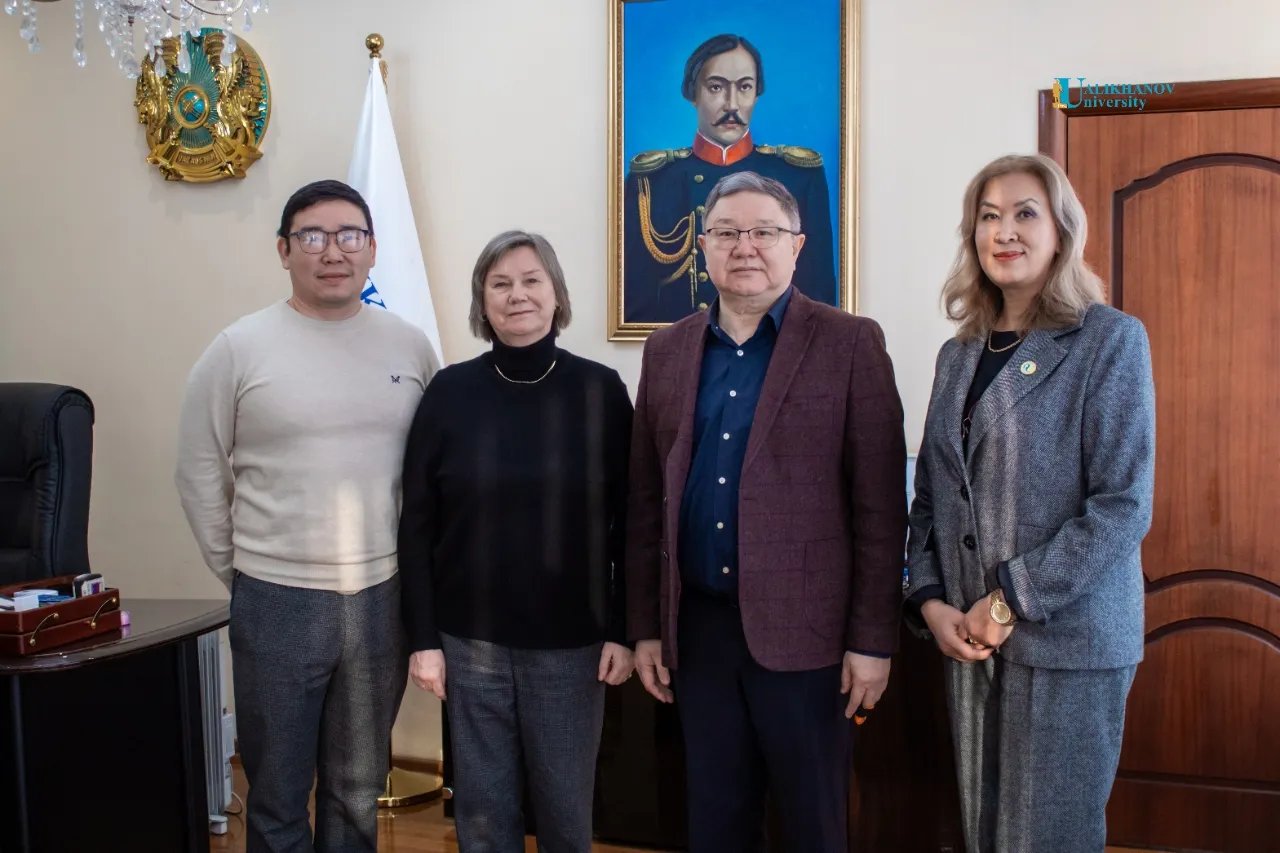
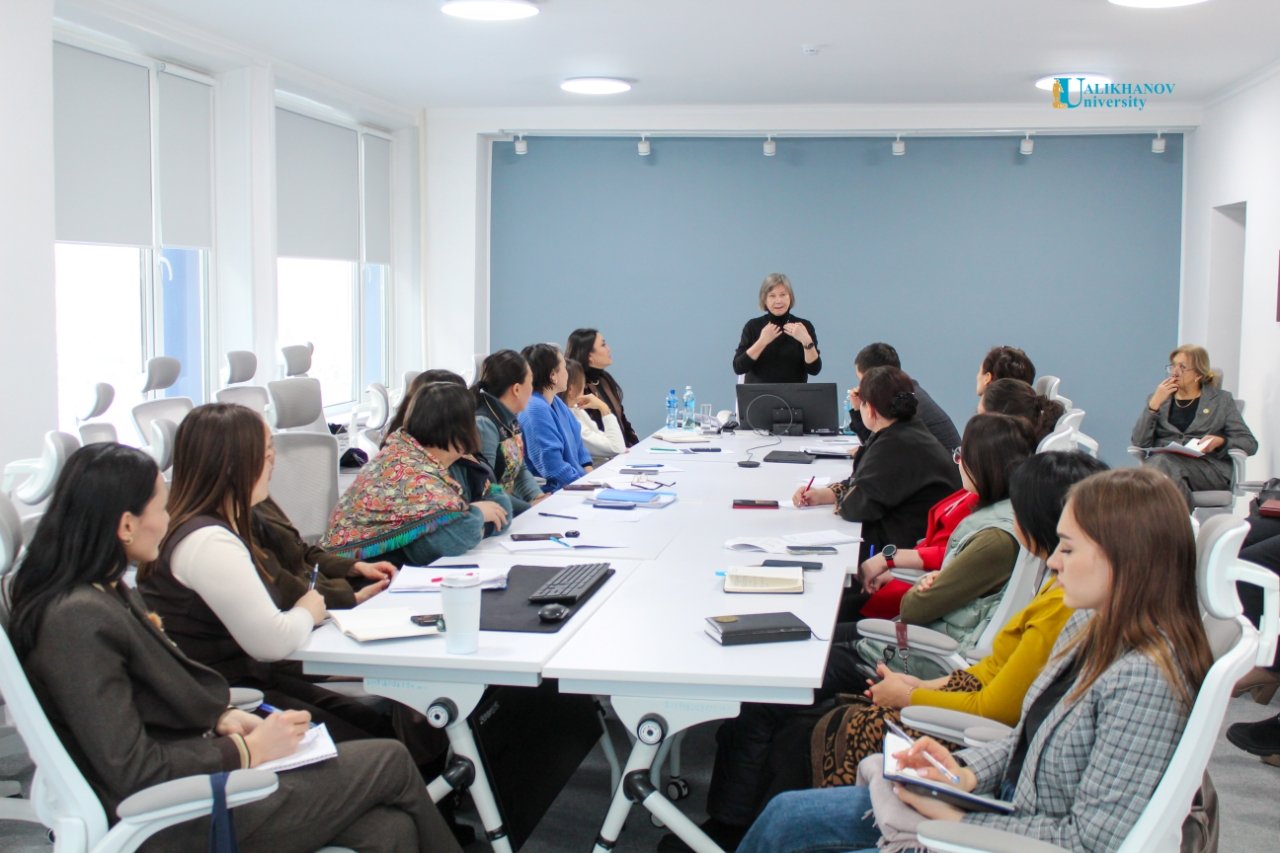
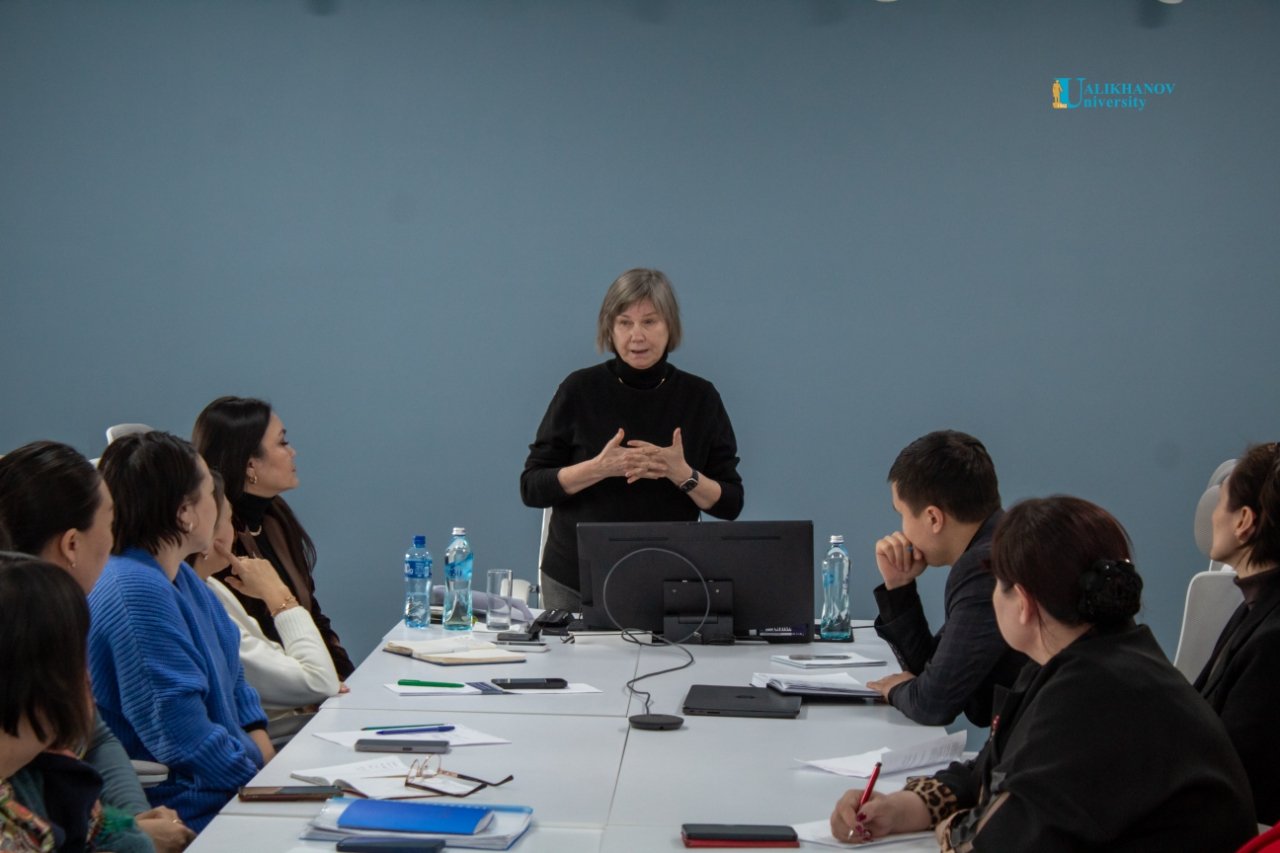
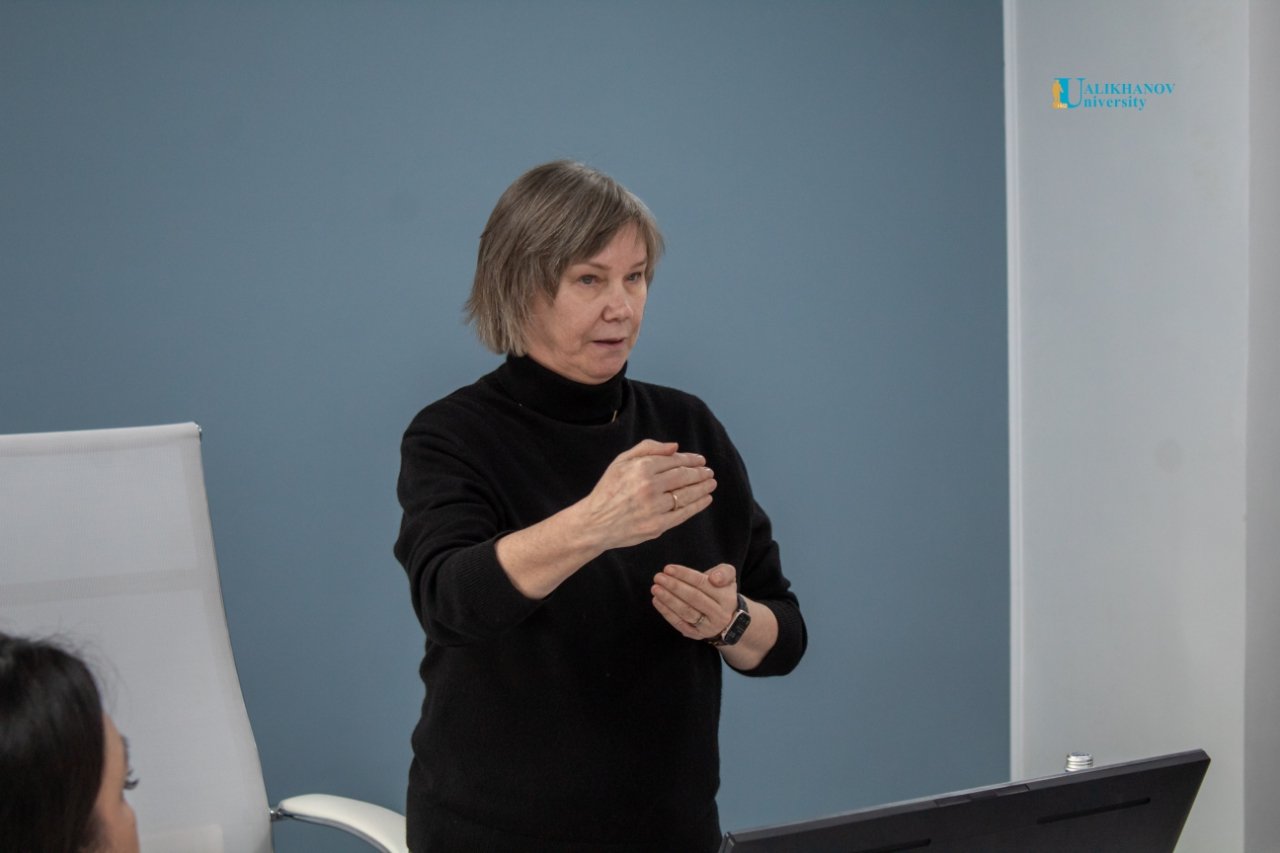
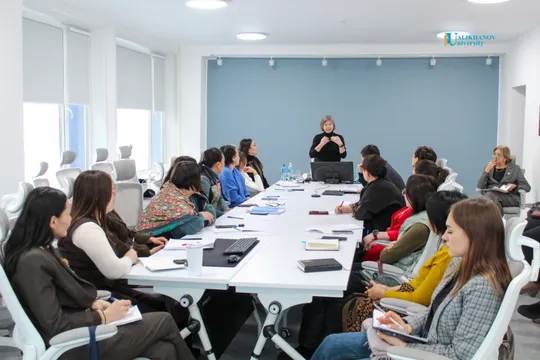
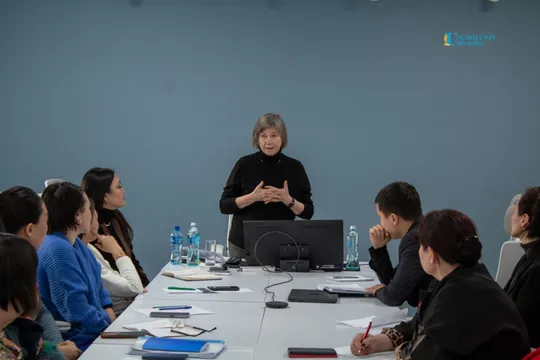
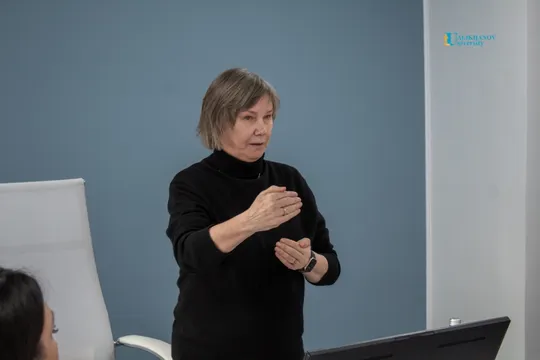
Irina Sekerina is a Professor of Psychology at the College of Staten Island, City University of New York (CUNY) and a leading expert in psycholinguistics and experimental linguistics. Her research focuses on psycholinguistics and cognitive psychology, with particular emphasis on bilingualism and language processing.
Irina Alekseyevna, let’s start with the basics. What is psycholinguistics in simple terms?
Psycholinguistics studies how people comprehend and produce speech. Unlike neurolinguistics, which focuses on biological and neural mechanisms, classical psycholinguistics mainly uses standard psychological methods: we ask comprehension questions, analyze speech production, and observe how people speak and perceive language.
For linguists, psycholinguistics is a way to understand how linguistic structures are connected with speech comprehension and production processes. For psychologists, this field is often referred to as the “psychology of language”. The research questions are largely similar, but the emphasis and terminology may differ.
According to your research, is our brain a kind of “predictor”? Do we start guessing the meaning of a phrase even before the speaker finishes it?
Yes, exactly. This is one of the key topics in modern psycholinguistics. We start forming predictions from the very first sounds. If I say, “It doesn’t have to be the center of your ...,” it is easy to guess the final word. This process occurs automatically.
We are interested in understanding why certain elements of speech are difficult to process and why prediction sometimes fails. In some cases, this disruption is intentional - for example, in puns or jokes. However, for normal speech comprehension and production, predictability is essential.Predictability is also fundamental to language acquisition. Children learn language because they learn to predict linguistic patterns.
People often interrupt each other in conversation. Does this mean interruption is not always a sign of rudeness and that our brain simply reacts faster than speech unfolds?
In a sense, yes. However, social norms also matter: in dialogue, it is generally expected to allow the speaker to finish their thought. At the same time, in natural conversation, people often experience an internal impulse to join the discussion as quickly as possible, leading to overlapping speech.
There are well-known studies showing that during dialogue, speakers tend to unconsciously align their language use. This phenomenon is called “alignment”, meaning mutual adjustment of speech patterns.
This alignment continues even when people interrupt each other. The conversation still tends to move toward a shared communicative style.
People can consciously train themselves to listen to others more carefully. If the topic is trivial and familiar, people are more likely to interrupt. In contrast, during important presentations or reports, interruption is less likely because listeners try to predict and understand the message.What you call impatience - the desire to enter the conversation quickly is largely shaped by everyday communicative practice.
In your research, you use eye-tracking technology. How can eye movements reveal what a person is thinking?
Eye movements and pupil size can reflect cognitive and emotional processes. For example, they can be used to study speech comprehension or even to assess whether a person is telling the truth. Pupil dilation is not only influenced by physical factors such as lighting but also by emotional state. When a person becomes stressed or attempts to hide information, pupils may expand. However, pupil dilation can be associated with multiple factors.
Eye-tracking is particularly valuable because it helps answer fundamental research questions. For instance, in bilingual or multilingual environments, we can observe whether multiple languages are activated simultaneously when a person hears a word. Example: If a child is asked to point to the word “marker,” and several images are displayed on the screen such as a marker, a felt-tip pen, and a stamp - then if both English and Russian lexical representations are activated, the child may look at multiple options.
If the child has a clear separation between Kazakh and Russian or English, there will be no lexical competition, and the child will look only at the correct object.
Thus, eye-tracking is a highly useful method for studying language interaction, especially in bilingual populations.
Your research also involves so-called “garden path sentences,” which initially lead the reader to one interpretation but change meaning at the end. Could you give an example and explain what happens in the brain when it gets “confused”?
While waiting for the end of a sentence, we constantly predict what will come next, forming hypotheses that may sometimes turn out to be incorrect. This is how garden path effects arise.
Garden path sentences are designed in such a way that the reader initially adopts one syntactic interpretation but must revise it after reaching later parts of the sentence. [Editor's note: The horse raced past the barn fell].
These sentences are useful for studying language processing because they reveal how the brain handles prediction and correction during comprehension.
Encountering such structures increases cognitive load because the brain needs to reconstruct the previously formed interpretation. Since humans tend to prefer cognitive efficiency, comprehension usually follows the most familiar and straightforward linguistic patterns.
Language structure also plays an important role. For example, Russian typically follows a subject-verb-object order, while in Kazakh the verb often appears at the end of the sentence. In verb-final languages, listeners may rely more on prediction while waiting for the verb to confirm the meaning.Although one might think that speakers of verb-final languages simply wait until the end of a sentence, they also generate predictions during listening. When unexpected structures appear, interpretation may need to be revised.Studying such differences helps us better understand language comprehension, learning processes, and educational practice.
Many parents today notice that children start speaking later. What does psycholinguistics say about this?
This question can be approached from several perspectives.One important factor is that many of the children you are referring to were born during the COVID-19 period. Language development during the pandemic represents a special research topic.Children born around 2022-2023 appear to show a higher incidence of cognitive developmental difficulties compared to children born earlier, although long-term effects are still unclear.Delayed speech development may also be related to reduced socialization.
Digital devices may also play a role. Experiments have shown that language acquisition depends not only on linguistic input but also on social interaction.
For example, when a trained native-speaking caregiver interacted directly with an infant, language learning was faster compared to situations where the child watched instructional videos on a screen.Language is primarily a tool of communication.
Interaction with devices does not provide the same level of communicative feedback as human interaction.
Multilingualism is also important, especially in countries like Kazakhstan. Learning multiple languages simultaneously may temporarily slow early speech development, but children often catch up and may even outperform their peers later.
Individual differences must always be considered, and generalizations should be avoided.
There is a famous experiment you conducted called “Every bunny is in a box”. When children are given a task with boxes and bunnies, and one box remains empty, they often answer that “not all bunnies are in boxes.” Do children make such mistakes because they do not yet understand logic, or because they have their own kind of “child logic”?
This is about the interaction between language and cognition. Even very young infants demonstrate certain innate cognitive strategies. For example, if a 2 - 3 month-old infant sees a ball roll behind a screen and then disappear, they expect it to reappear.
If it does not, they show surprise. This reflects an innate understanding of object permanence. A similar strategy applies to older children. When working with containers and objects, children often expect symmetry: if there is a box, there should be a bunny inside. If one bunny is left without a box, they may consider it incorrect. This is a developmental strategy rather than a logical error.
By around nine years of age, children begin to understand that it is possible for one bunny to remain without a box. This reflects maturation of cognitive strategies.
What happens to the brain as we grow older? Why does the adult brain lose some of this unconventional creativity?
We cannot directly claim that this is a change in the brain. However, we do know that biological maturation is taking place. All of these strategies and ways of using them gradually mature over time. For a child to apply them correctly, they need to hear such linguistic constructions and encounter similar situations in practice. This is, of course, a rather specific example: in everyday life, we rarely “put bunnies into boxes.” Nevertheless, such tasks help us predict how a child’s thinking develops in terms of academic growth. The focus here is on the formation of logical reasoning - there is one set of boxes and one set of bunnies, and these two sets may not match and are not required to correspond exactly.
With age, many changes occur that are difficult to attribute to any single factor - this is a natural process of life and accumulated experience. Gradually, children become accustomed to the idea that non-standard or unusual situations exist and learn to perceive them as normal.
Regarding bilingualism - is there one common language system in the brain, or separate mechanisms for each language?
We have many methods that allow us to examine how languages are represented in the mind. The question becomes more complex when we consider three or four languages: can we extend the same idea and assume that all four languages are fully separated in the brain?
With words, we already have a good understanding of how this works. If the languages are sufficiently balanced and there is no extremely weak knowledge of one of them, lexical items tend to be activated simultaneously during speech perception. At the same time, we assume that there is a conceptual connection - that is, the concept of “bunny” exists in the mind, and it is linked to four pronunciation variants, for example in Russian, Kazakh, English, or another language. This mechanism is relatively straightforward.
Sentence processing is more complex. If Kazakh does not have a free word order, just like Russian, can Kazakh be activated when I produce a Russian sentence with a non-canonical word order? In Kazakh, this structure does not exist - the verb typically appears in the final position.
There is a concept called priming, in which one language can facilitate or trigger activation in another. In cases where grammatical systems overlap, such as case marking (which exists in both Russian and Kazakh), we assume that the Russian case system may help a child acquire the Kazakh case system.
However, Kazakh does not have grammatical gender, whereas Russian does. For example, the word “machine” is feminine in Russian but has no grammatical gender in Kazakh. What happens in such cases?
The interaction between syntactic structures across languages remains an open research question. Kazakh is an agglutinative language, and its verb morphology can be complex due to multiple suffixes.Understanding how aspectual distinctions in Russian (for example, “he was reading” vs. “he read”) relate to Kazakh morphological structures remains an important research topic. We will continue exploring these questions.
In general, the answer to how languages interact in the mind depends on the specific language system and the particular linguistic component being considered.
People often say that learning a new language feels like living a new life. Can people feel differently when speaking different languages?
I live not only in two different languages, but also in two different cultures. Both general culture and academic culture can differ greatly from one country to another. If I am unable to adapt to the cultural norms of the country I am in, this may cause discomfort. I understand that approaches that feel natural and familiar in one country are not always applicable in another, and that successful integration requires respect for the local culture. If I were to act exclusively according to the principles accepted in my own country, it would be difficult for me to function in a different one.For us, this is a completely normal state - when we are multilingual, we are also multicultural. This is fundamental, because language cannot be separated from culture.
Many people today are concerned about the so-called “Zoomer language” and how much it is being shortened. Young people already struggle to understand 18th-19th century classics. In your view, is our language truly becoming poorer, or is it simply adapting to the high speed of modern life?
Language is a living organism. It changes in response to the needs of society. So the fact that Gen Z shortens certain things, introduces new expressions, and reshapes the way they speak is a completely natural process - one that we should accept. We cannot continue to think in terms of how language functioned in the 18th century. We live in the 21st century.
Young people need to be given space to “grow through” certain phases in their development. Over time, they naturally move toward more mature linguistic behavior, leaving behind what is unnecessary.
Do you know what the most popular word of 2025 is? According to many dictionaries, it’s “labubu.” Do you think anyone will remember the word “labubu” in five years? Most likely not.
Language protects itself. It regulates and guides its own development, evolving in accordance with new rules of communication. That is why we should not criticize young people or demand that they speak exclusively in the language of classical literature. Language is resilient enough to sustain itself and develop alongside them. The classics will remain - in books, in academic scholarship, in literary works - they are not going anywhere. Language is simply moving forward, in step with the 21st century.
Today, artificial intelligence can write texts and even speak on our behalf. How does this affect psycholinguistics? Will people eventually lose the ability to construct complex sentences and think deeply if they delegate part of this work to neural networks?
Of course, we cannot fully rely on AI to “think” or “understand” for us. Its functions are primarily supportive. It can translate texts, generate sentences, or suggest ideas in a language we do not speak. For example, if I need to compose sentences in Kazakh but I do not speak the language, I can assign the task to ChatGPT. AI platforms also make it possible to quickly create visual content, saving both time and resources. Instead of hiring an artist and waiting for the work to be completed, AI can generate an image in a matter of minutes.
It is important to understand that AI does not truly “create” anything on its own - it draws on what already exists in the digital space. Like any innovation, AI has its advantages and disadvantages. For psycholinguistics, the ability to speed up analysis and make it more efficient is clearly a benefit. The downside arises if someone presents data that were generated rather than genuinely collected. However, this is primarily an ethical issue rather than a technological one.Overall, there is no need to fear AI. What matters is learning how to use its capabilities responsibly and being willing to look toward the future.
Irina Alekseevna, to conclude our conversation: what is the main piece of advice you would give to parents who want their children to have a high level of language proficiency? How can they help a child love language and preserve its richness in a world of gadgets and technology?
We need to meet our children halfway by using modern technologies to sustain their interest. For example, we could take a classic fairy tale and turn it into an educational video game rather than just another shooter. We cannot rely solely on traditional methods, it is important to apply new approaches and technological tools.
Most importantly, we must continue to maintain a connection with culture and traditions. During my time in Kazakhstan, I noticed that many children are genuinely interested in their heritage - which “juz” [a traditional Kazakh tribal division - editor's note] they belong to and who their ancestors were up to six generations back. The tradition of “bata” [a traditional Kazakh blessing - editor's note] is still alive among the younger generation. This means you are doing many things right.
Thank you for this engaging conversation!