
Lecture on "Non-Violent and Calm Parenting" with 3rd-Year Psychology Students
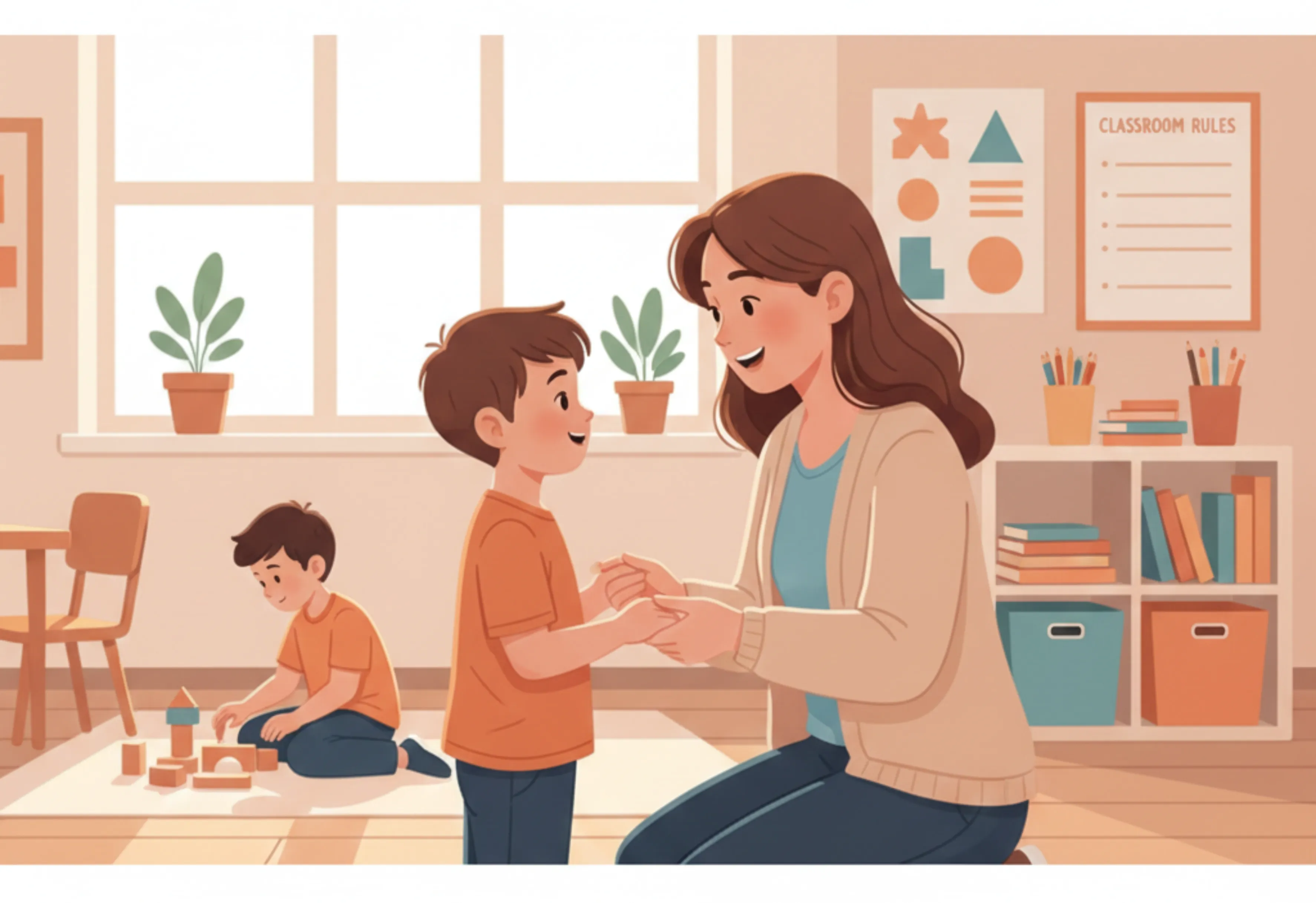
As part of a joint practical session with 3rd-year students of the “Psychology” program, conducted by Tatiana Melnikova and the university psychologist Altyn Manapova, the topic of non-violent interaction with children was discussed. The aim of the session was to foster an understanding of parenting as a process of personality development rather than a system of punishments and behavioral suppression.At the beginning of the session, the reasons why adults resort to yelling and punishment were examined. Students concluded that aggressive parental reactions are most often not caused by the child’s behavior itself, but by fatigue, anxiety, lack of self-regulation skills, and the replication of their own parents’ behavioral models. It was noted that yelling may temporarily stop a child’s behavior, but it does not foster an understanding of rules.The theoretical part addressed the consequences of harsh parenting: increased anxiety, fear of making mistakes, hidden aggression, decreased trust in adults, and the development of dependent or oppositional behavioral patterns. It was emphasized that discipline and permissiveness are not opposites: boundaries can exist without punishment.Students were introduced to the principles of non-violent parenting:
- Respect for the child’s individuality
- Explaining the reasons behind prohibitions
- Consistency of expectations
- Emotional control by the adult
- Choosing consequences instead of punishments
- Promoting responsibility rather than fear
In the practical part, participants analyzed typical situations: tantrums in public places, refusal to follow requests, and aggression between children. It was suggested to replace the reaction “Stop immediately” with a description of the child’s feelings and a concrete action (e.g., “I see you are angry; let’s pause and think about what we can do”). Students noted that this approach reduces resistance and fosters cooperation.Special attention was given to the adult’s ability to first stabilize their own emotional state before responding to the child’s behavior. The conclusion was drawn that non-violent parenting is not softness, but conscious control combined with clear boundaries.By the end of the session, participants understood that effective parenting is built on emotional connection and respect. Children learn self-regulation not through fear, but by observing the adult’s example. Developing these skills is an essential task for future psychologists and the foundation of a psychologically safe family.