
On March 13, the Sh. Ualikhanov Kokshetau University hosted the Republican scientific and practical conference...
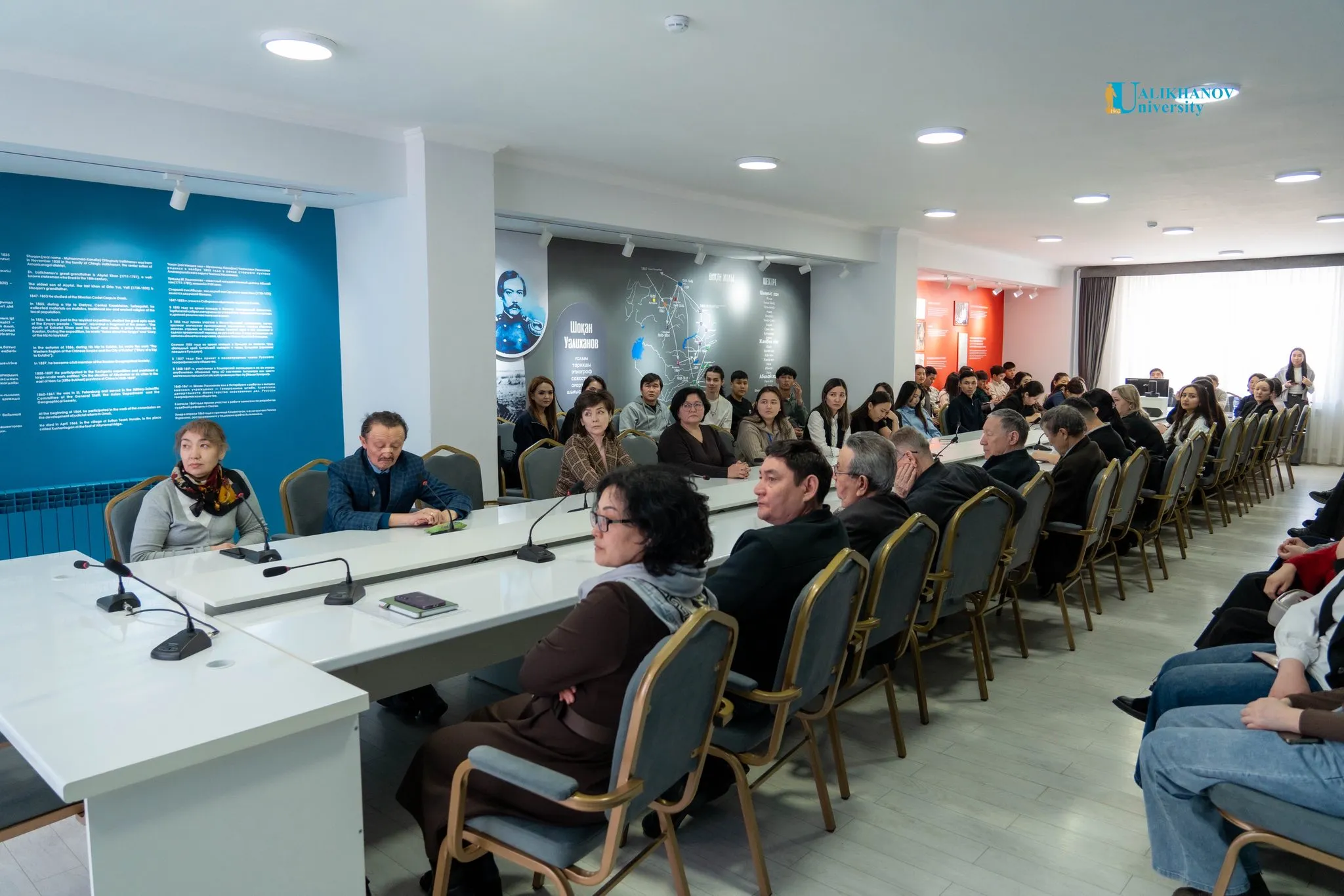
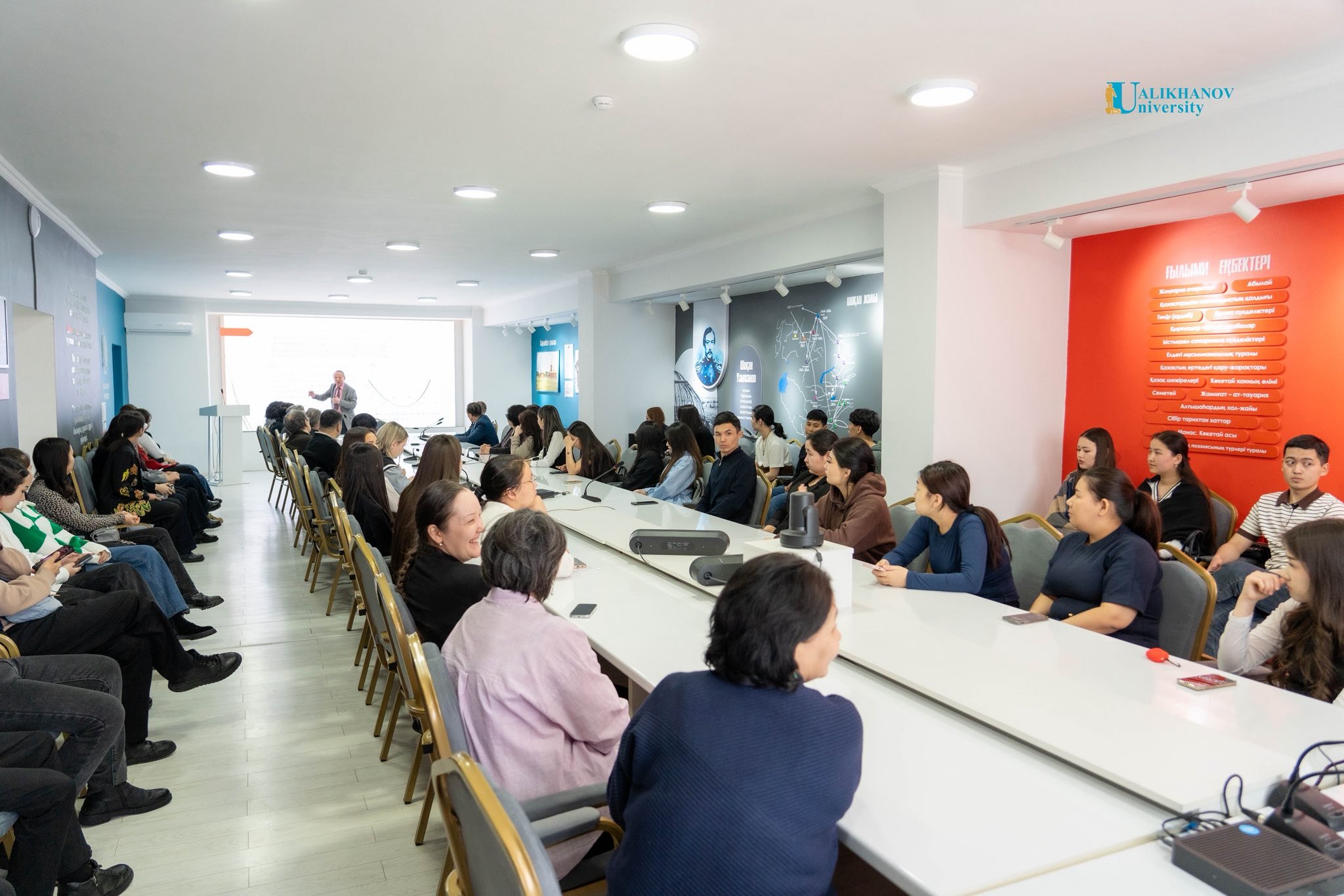
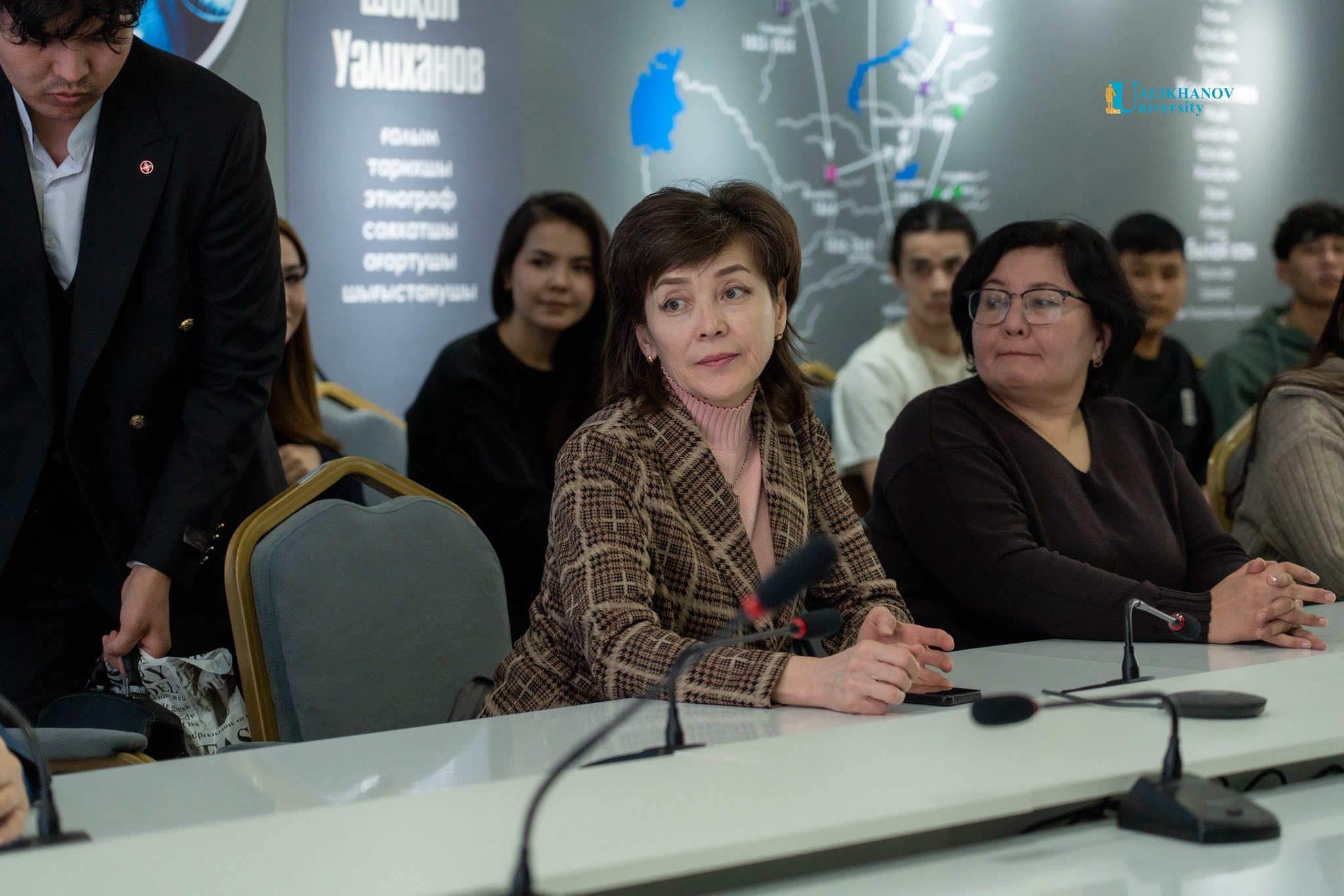
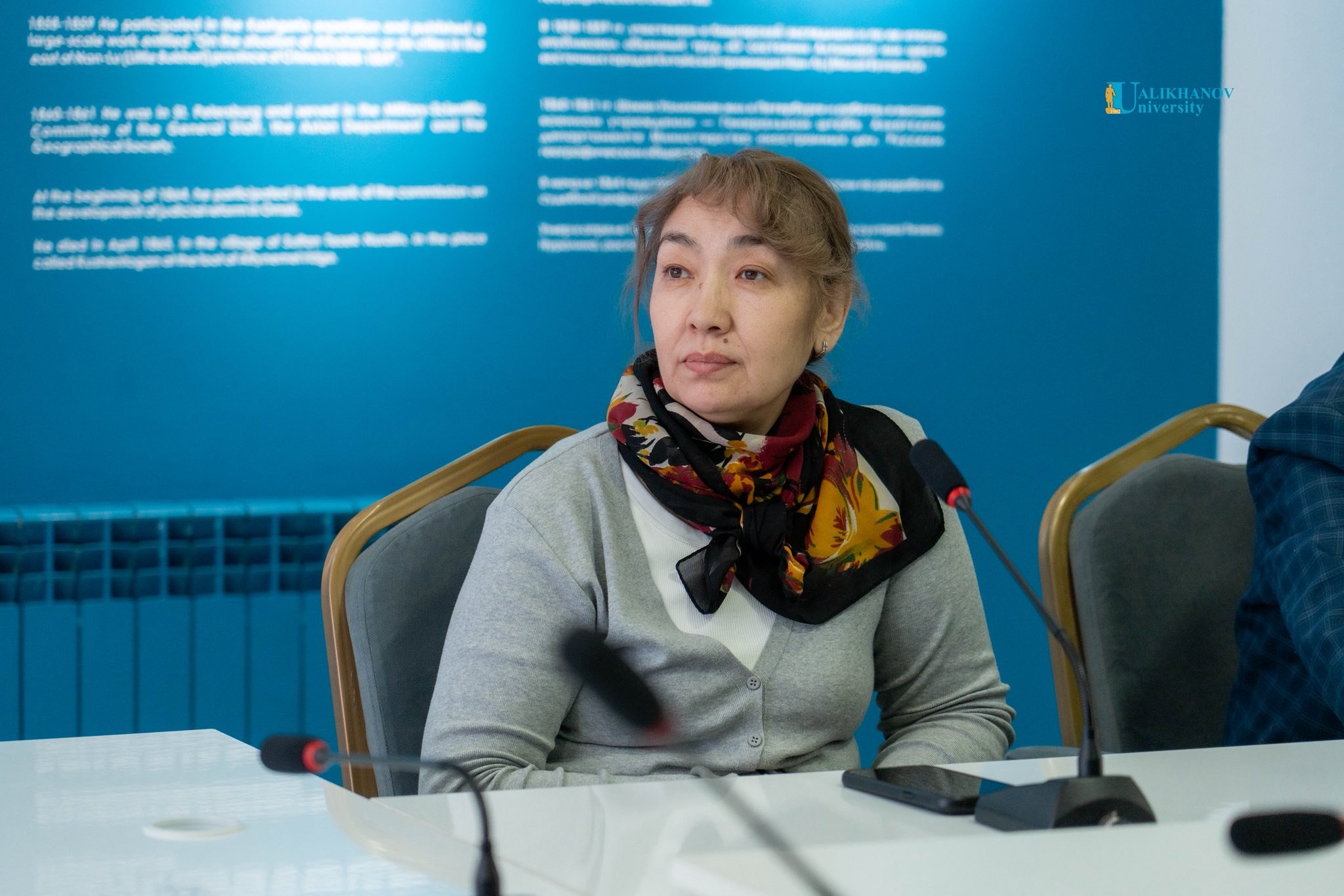
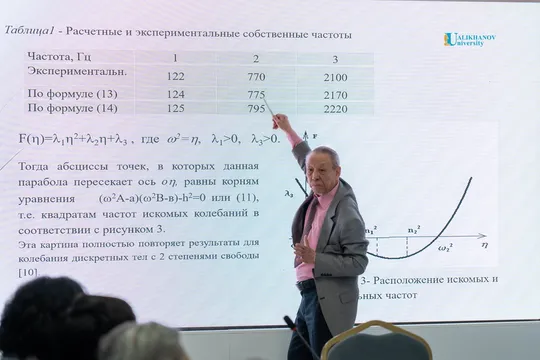
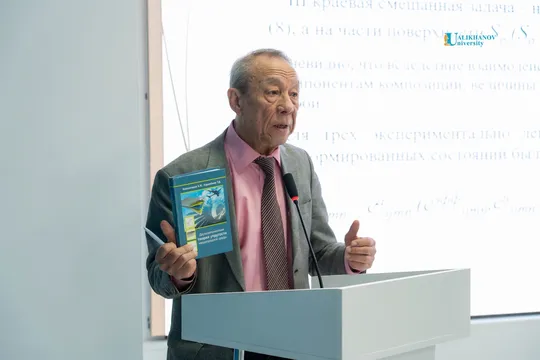
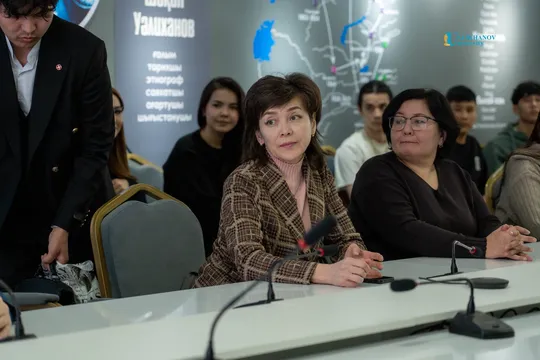
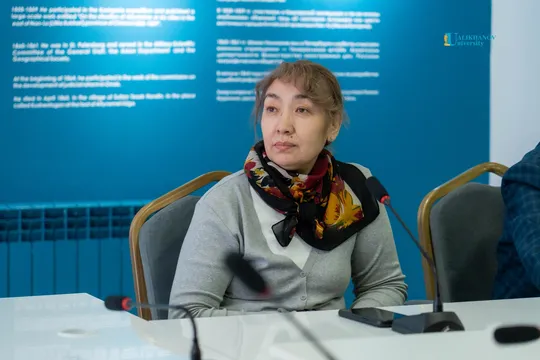
On March 13, the Sh. Ualikhanov Kokshetau University hosted the Republican scientific and practical conference titled “Fundamental Problems of Teaching Mathematics, Physics and Computer Science in the Era of Generative Artificial Intelligence.” The event brought together university professors, school teachers, master’s students, and developers of educational solutions. The main focus of the meeting was the transition from discussing the potential risks of AI to practical methods of integrating it into the educational process.
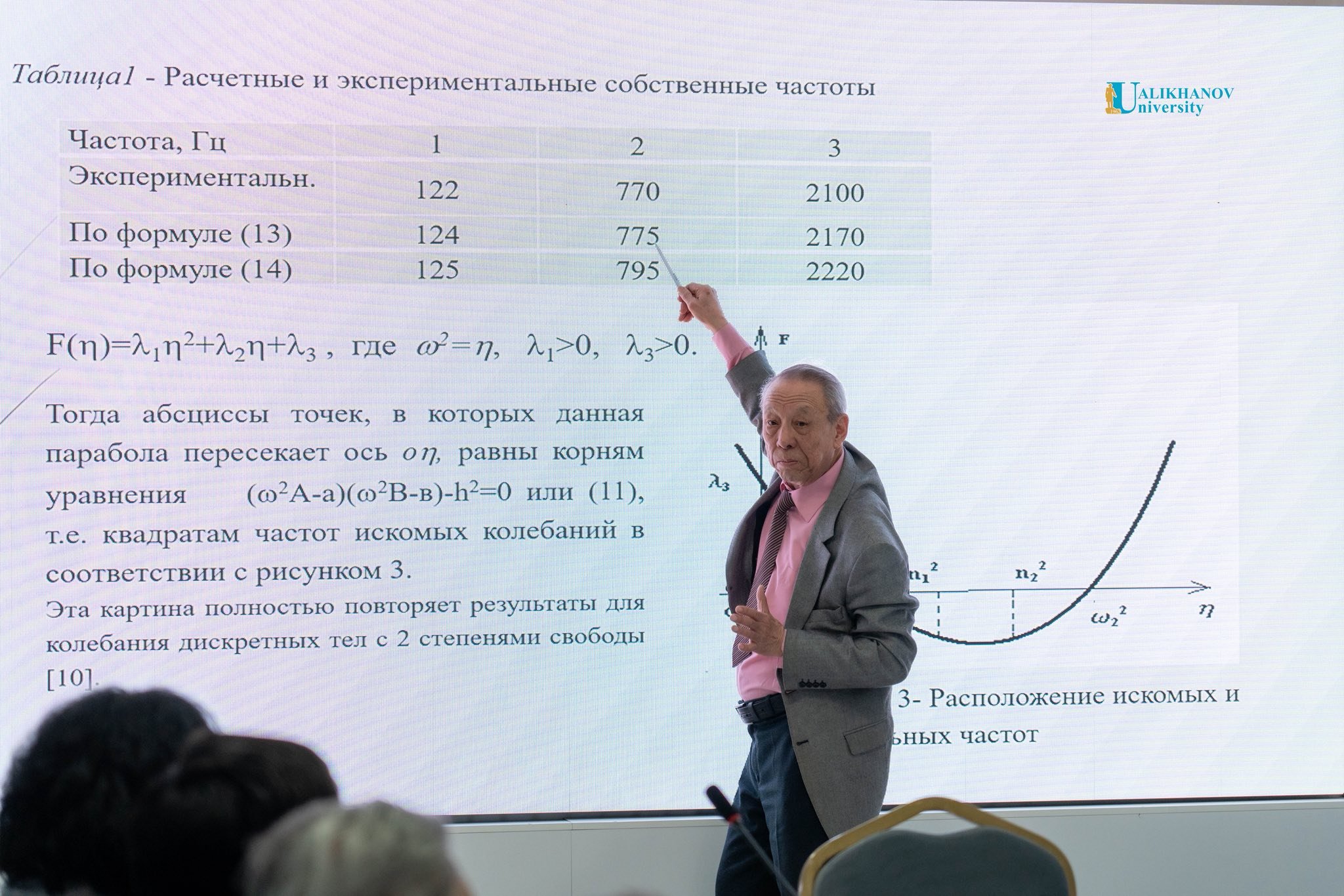
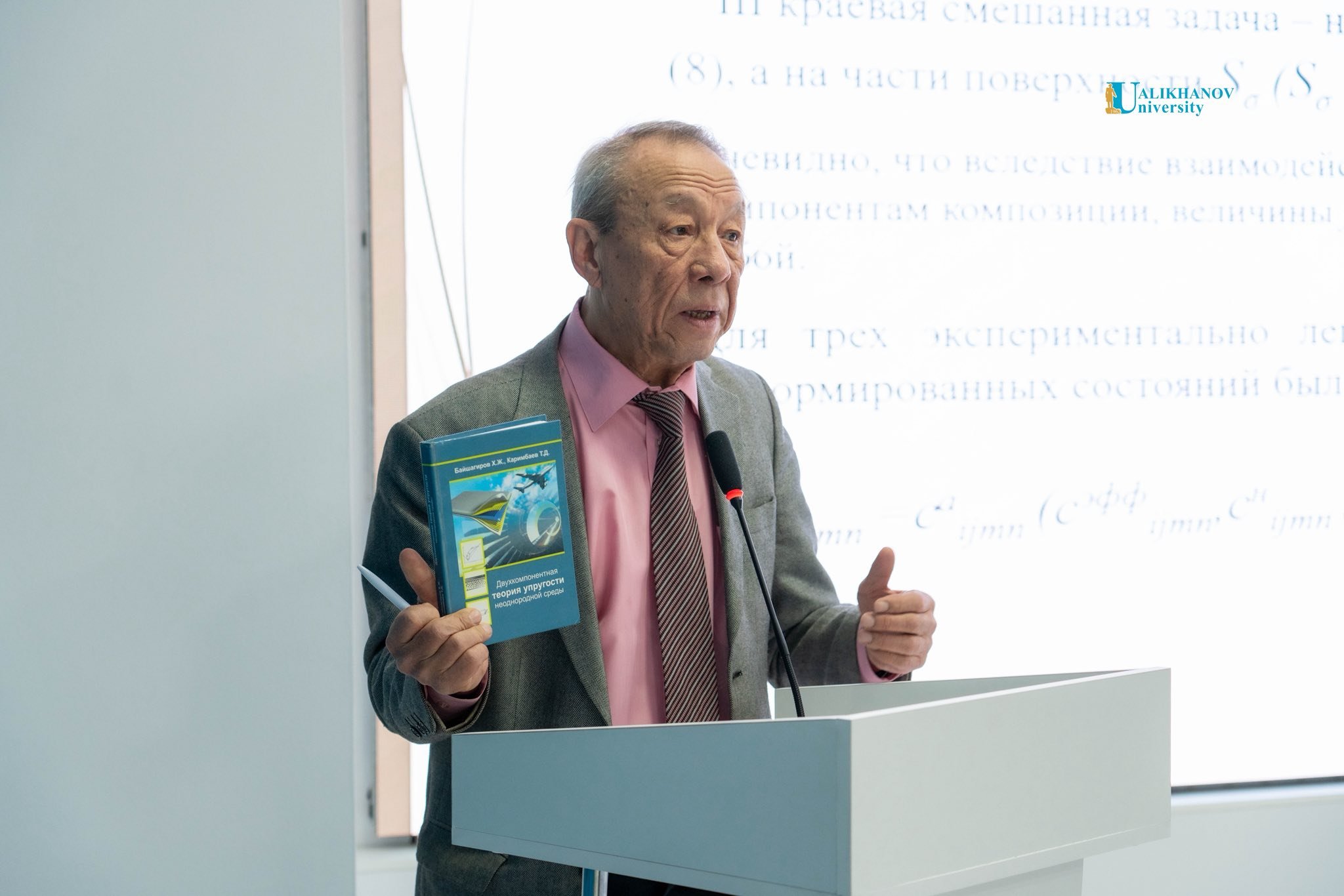
Doctor of Technical Sciences and MAEN Academician Kh.Zh. Baishagirov delivered a presentation addressing the application of artificial intelligence in studying the deformation of composite materials. First-year master’s student Aisulu Serikbolkyzy presented a report titled “Education and AI: Innovative Integration Approaches,” while Tamerlan Zhanadilov spoke on “Training a Robot on Arduino: Integration of Neural Networks and AI Tools.”
Participants paid special attention to the use of the GeoGebra platform enhanced with artificial intelligence elements, which allows visualization of complex mathematical processes and helps students better understand abstract concepts. The conference also highlighted the potential of AR technologies, virtual physics laboratories, and the development of AI tutors using no-code tools.
It was noted that generative AI opens new opportunities for project-based and research activities among students and schoolchildren. At the same time, the importance of developing a responsible culture of interaction with intelligent systems was emphasized. Participants concluded that artificial intelligence is becoming an important tool in modern education, transforming the role of the teacher into that of an architect of digital educational solutions.