Training of Trainers Held in Astana within the Erasmus+ ESGCA Project
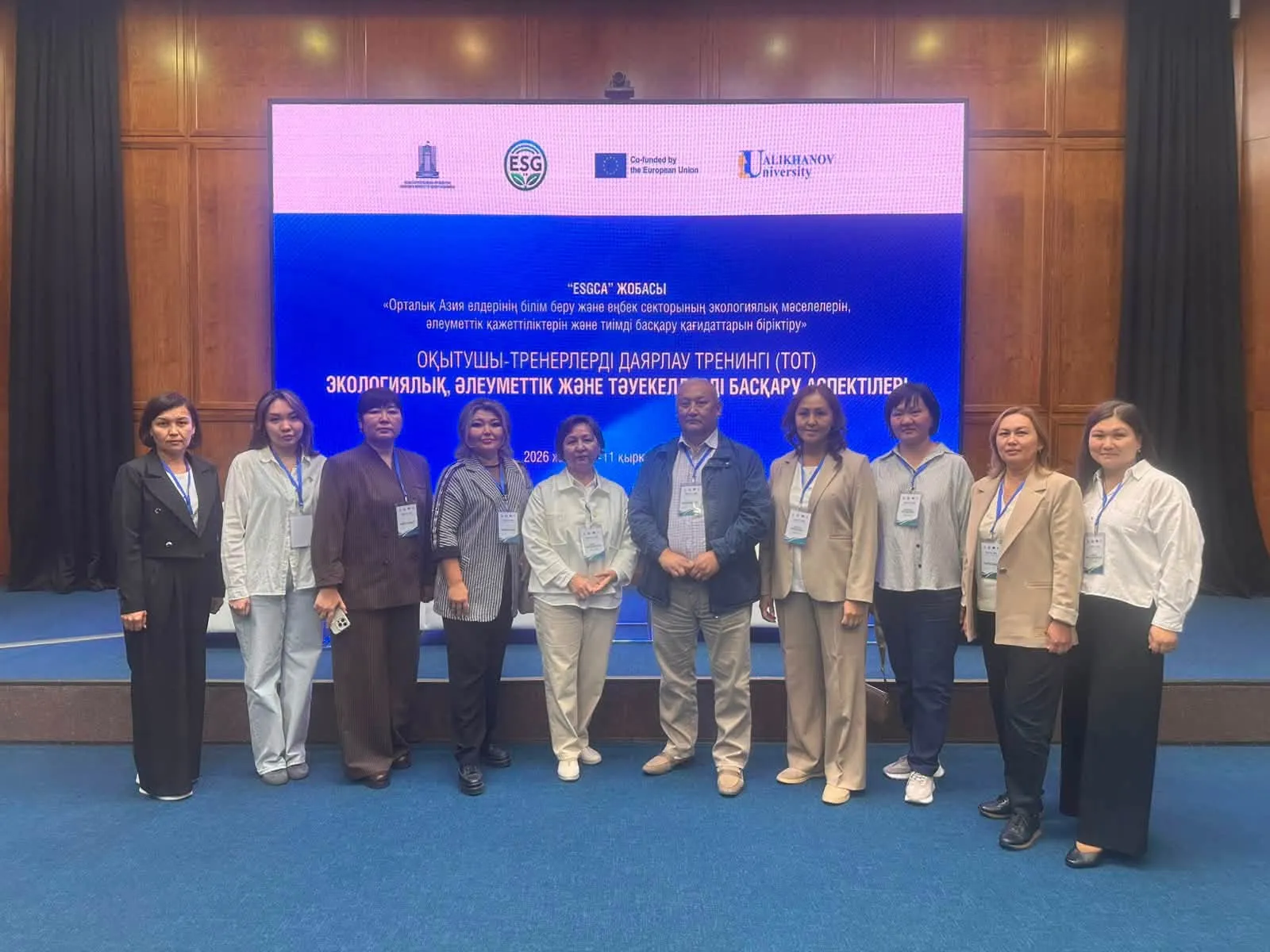
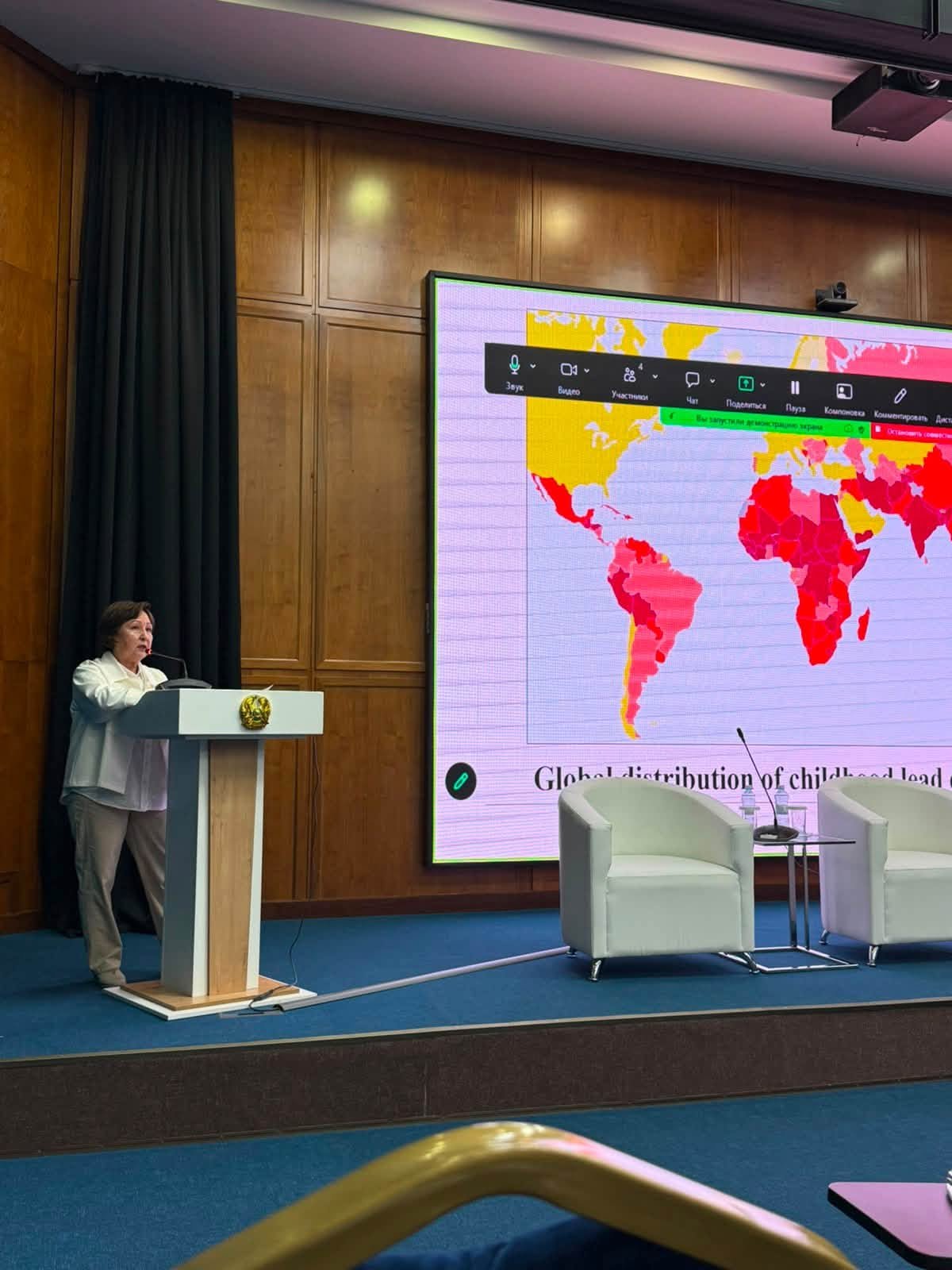
As part of the Erasmus+ KA2 CBHE ESGCA project — “Bridging Environmental Concerns, Societal Needs, and Good Governance in Central Asian Education and Employment Sectors” — a Training of Trainers (😭) on environmental, social, and governance (ESG) issues was held from 7 to 11 September 2026 at the Academy of Public Administration under the President of the Republic of Kazakhstan.
The seminar was organized by the Academy of Public Administration under the President of the Republic of Kazakhstan with the active participation of Ualikhanov University and brought together faculty members and experts from Kazakhstani and international higher education institutions.International experts from partner organizations also contributed to the training.
Professor Camelia Oprean-Stan (LBUS) delivered sessions on ESG risk management and non-financial risks in organizations, while Professor Mara Morini (UNIGE) presented the key aspects of corporate social responsibility.
Experts and trainers from Ualikhanov University included:
• Aigul Kurmanbayeva and Zulfiya Bayazitova — “From Waste to Resources: ESG Principles as a Basis for the Transition to a Circular Economy”;
• Anargul Belgibayeva and Lazzat Bergambetova — “The Social Dimension of ESG: Inclusive Growth, Social Entrepreneurship and Responsible Business Development”;
• Anuarbek Kakabayev — “The Climate Agenda: Challenges, Trends and Prospects.”
The training brought together around 80 representatives of higher education institutions from Astana and Almaty. Ualikhanov University was represented by professors and leading lecturers from the Departments of Business and Services, as well as Mining, Construction and Ecology.
The seminar programme covered a wide range of current topics, including ESG risks, the circular economy, social entrepreneurship, inclusive growth, diversity, equity and inclusion (DE&I), the climate agenda, corporate social responsibility, and the role of the government in shaping the ESG agenda.
Particular attention was paid to the practical format of the training. Participants completed practical assignments, took part in group discussions, analysed case studies, and completed testing. This approach enabled participants not only to gain new knowledge but also to exchange experiences and practical approaches in the field of ESG.
The Training of Trainers represented an important milestone in the implementation of the ESGCA project, which aims to strengthen the ESG competencies of university faculty and develop proposals for the further design of Master’s degree programmes in ESG at universities across Central Asia.