DECENTRATHON 6.0: UALIKHANOV UNIVERSITY STUDENTS NAMED REGIONAL WINNERS
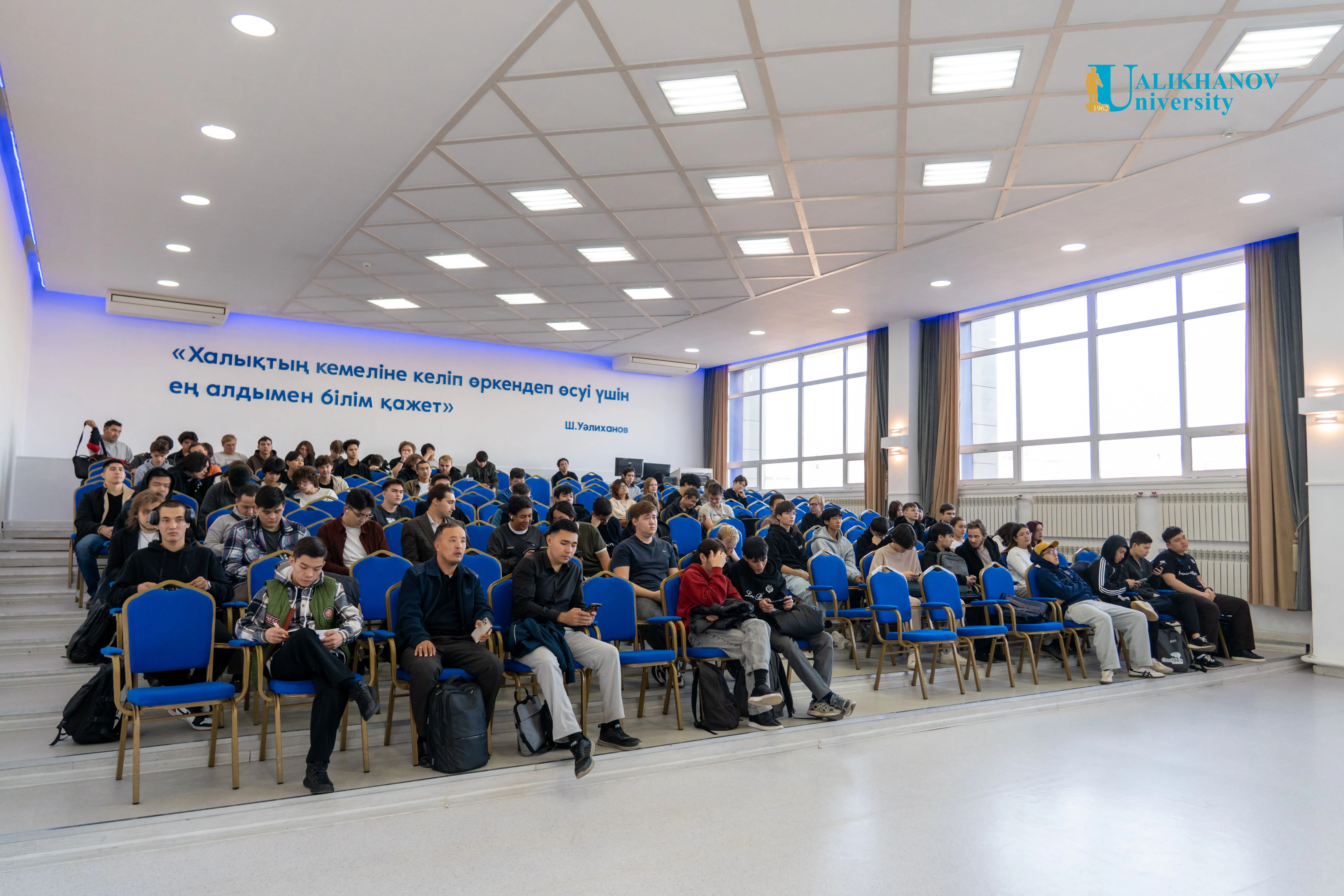
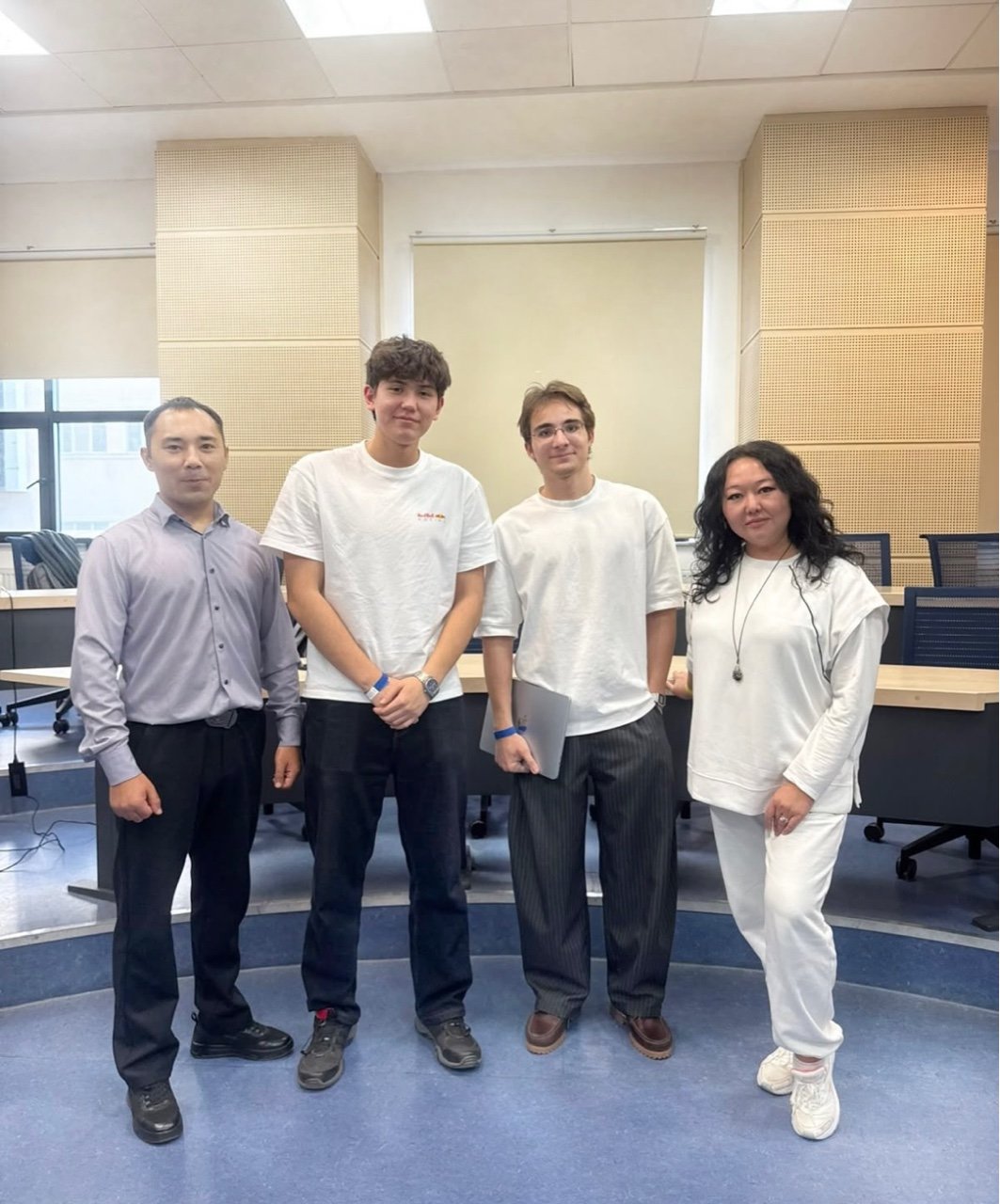
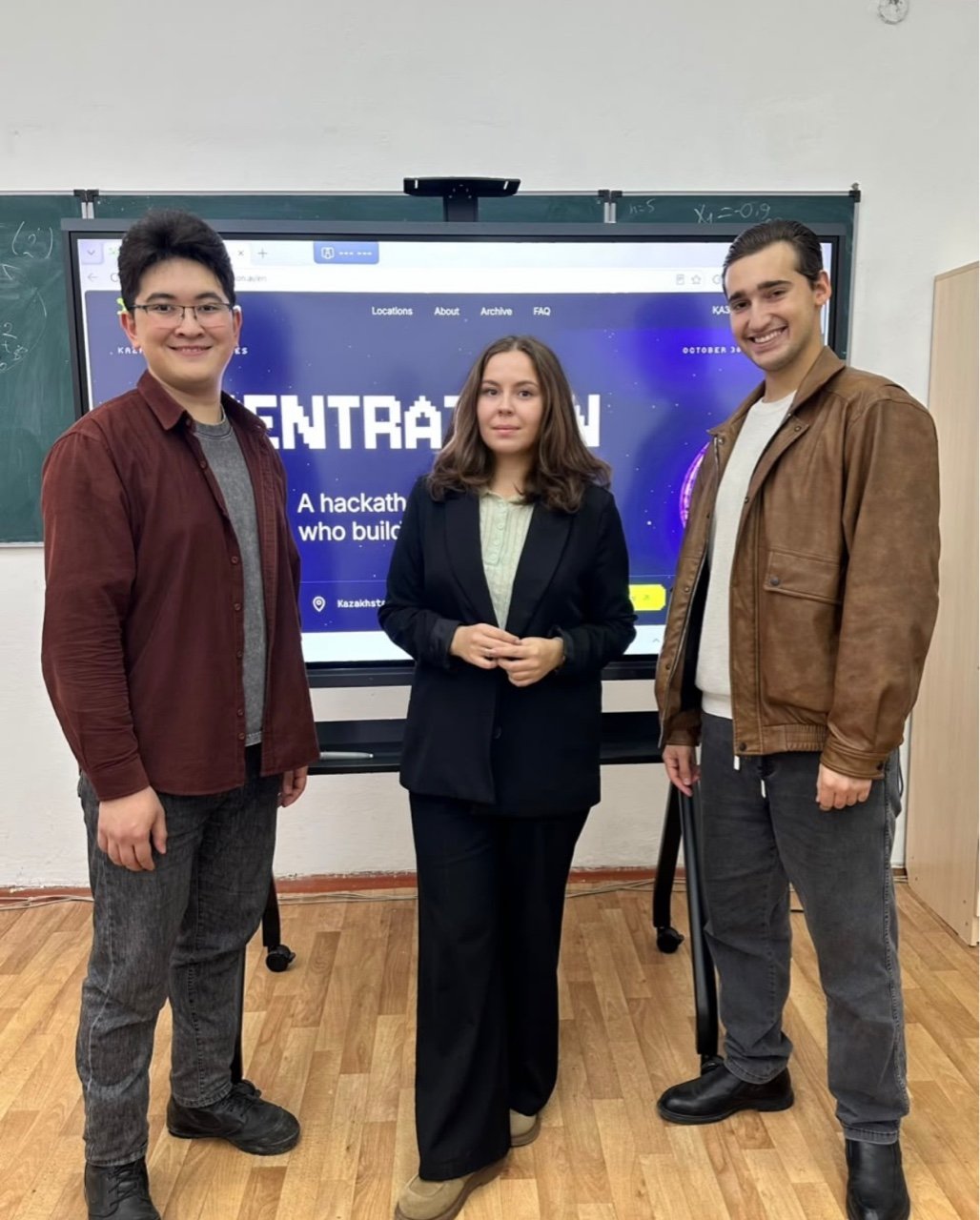
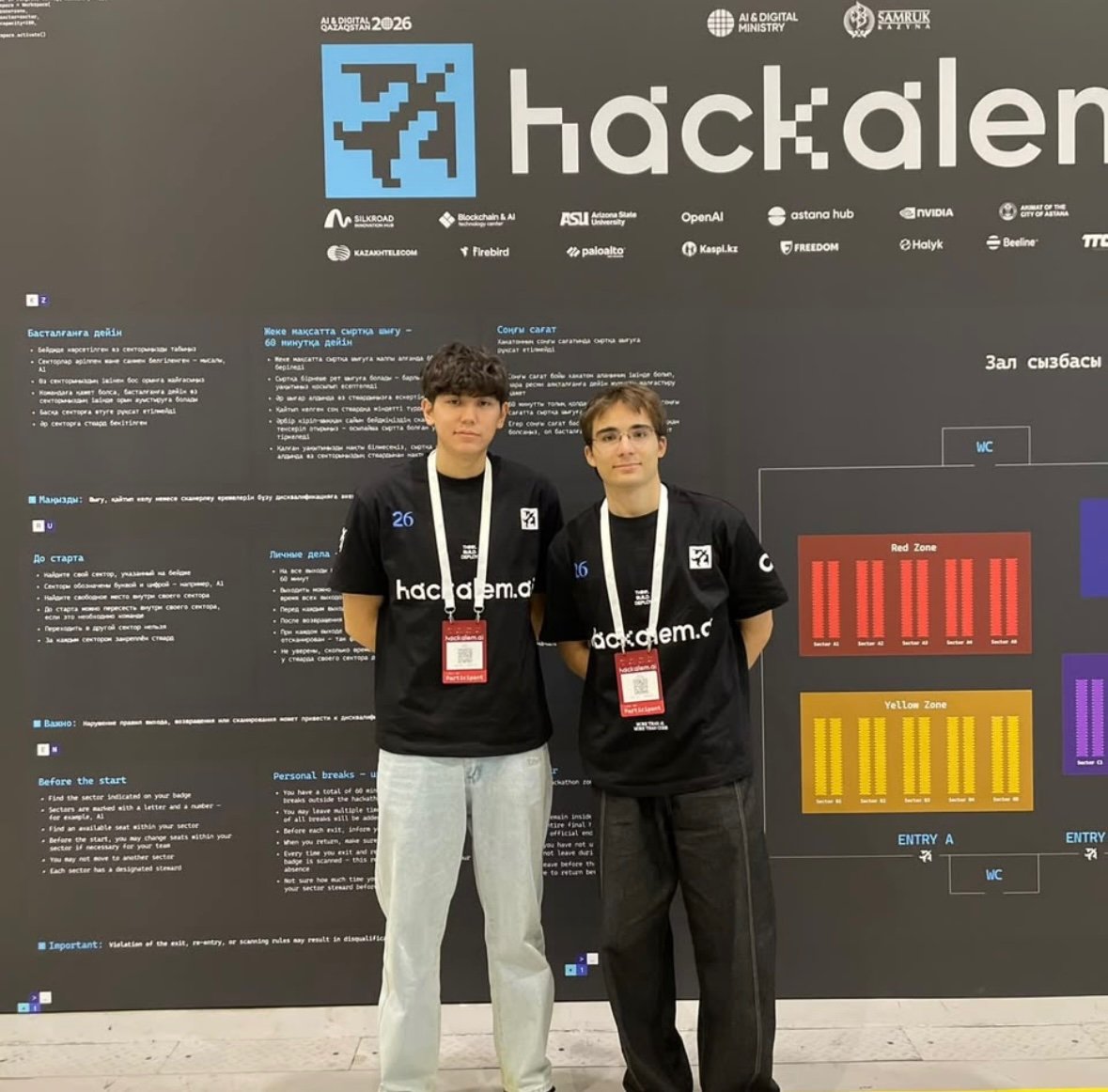
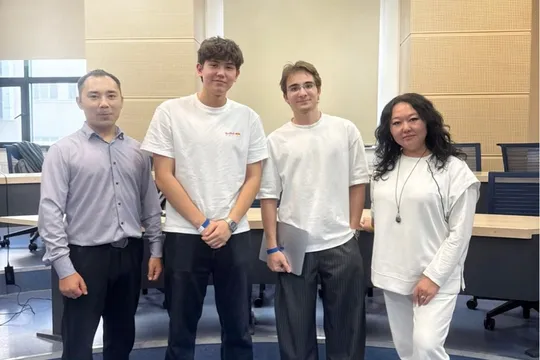
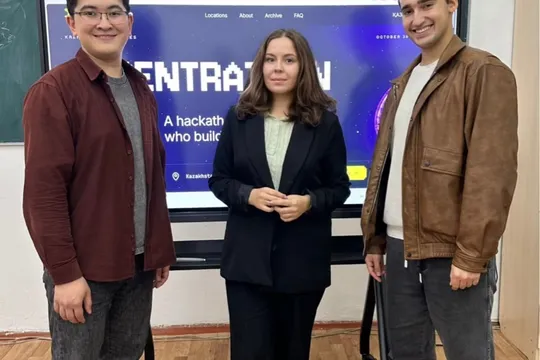
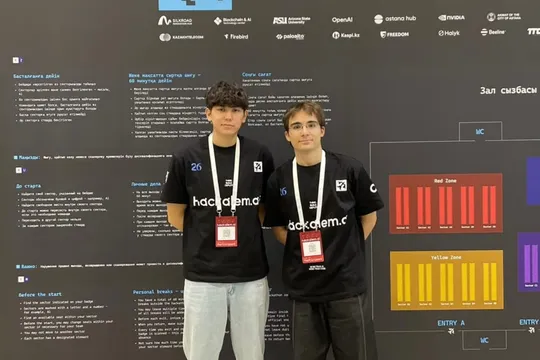
Ualikhanov University students won in two categories in the Akmola Region at the nationwide Decentrathon 6.0 hackathon, held on 30–31 October.
The large-scale hackathon took place simultaneously in 19 cities across Kazakhstan, bringing together teams from 18 regions. It was organised by Astana Hub and Blockchain & AI Technology Center (BAITC), with the support of the Ministry of Artificial Intelligence and Digital Development of the Republic of Kazakhstan. Participants developed projects addressing practical tasks within three challenges proposed by Grand Mobile and Soup.
AI Association team members Movsar Buzurtanov and Daniyal Nurlanov presented Grand Support Copilot, an intelligent assistant for Grand Mobile’s player support service. The project is designed to organise player requests and automate the preparation of responses by support agents.
The system analyses incoming complaints, identifies their categories and urgency, finds relevant game rules, and drafts responses in the user’s language. Through a unified interface, support agents can clarify request details, process repeated complaints, and refer complex cases to specialists. During project development and data analysis for the hackathon’s third challenge, the team processed 68,572 complaints from the supplied dataset. Grand Support Copilot’s functionality helps improve the efficiency of the support service.
Alarm Team members Tamirlan Kuandykov, David Shaginyan, and Yuliya Kushtan, Senior Lecturer in the Department of Information and Communication Technologies, won in the AI Engineering category. The team presented a project aimed at reducing the time and computing resources required to fine-tune an AI model while maintaining its quality.
The team worked on a challenge proposed by Soup, whose developers are building a command-line interface (CLI) for fine-tuning large language models (LLMs). The tool’s training parameters are specified in a YAML configuration file.
For this challenge, Alarm Team worked on optimising the fine-tuning of the Qwen2.5-1.5B language model using Kaggle’s cloud computing resources. The main requirement was to reduce training time and video memory consumption while maintaining the model’s original quality. The proposed solution focused on making efficient use of limited GPU resources.
The projects apply artificial intelligence to specific practical tasks. During the competition, the students analysed data, proposed solutions that met clients’ requirements, and put their knowledge into practice.
Such experience is particularly valuable during the Year of Digitalisation and Artificial Intelligence, declared by President Kassym-Jomart Tokayev. Learning to use technology and applying it to everyday workplace challenges contribute to young people’s professional development.
Congratulations to the winners! We wish them exciting new projects and continued professional success!