Ualikhanov University Opens a New Department Branch at Bukpa Forestry Institution
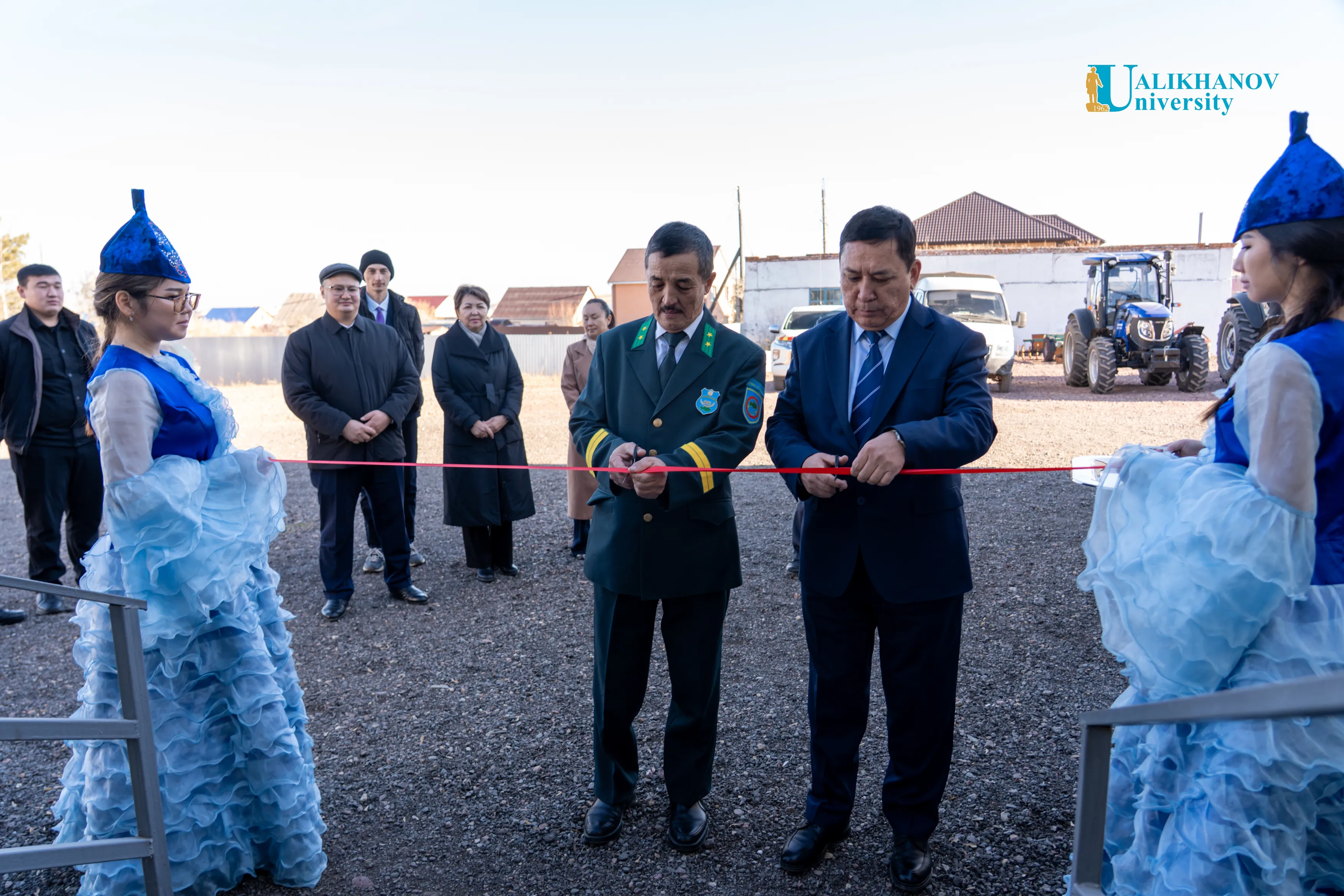
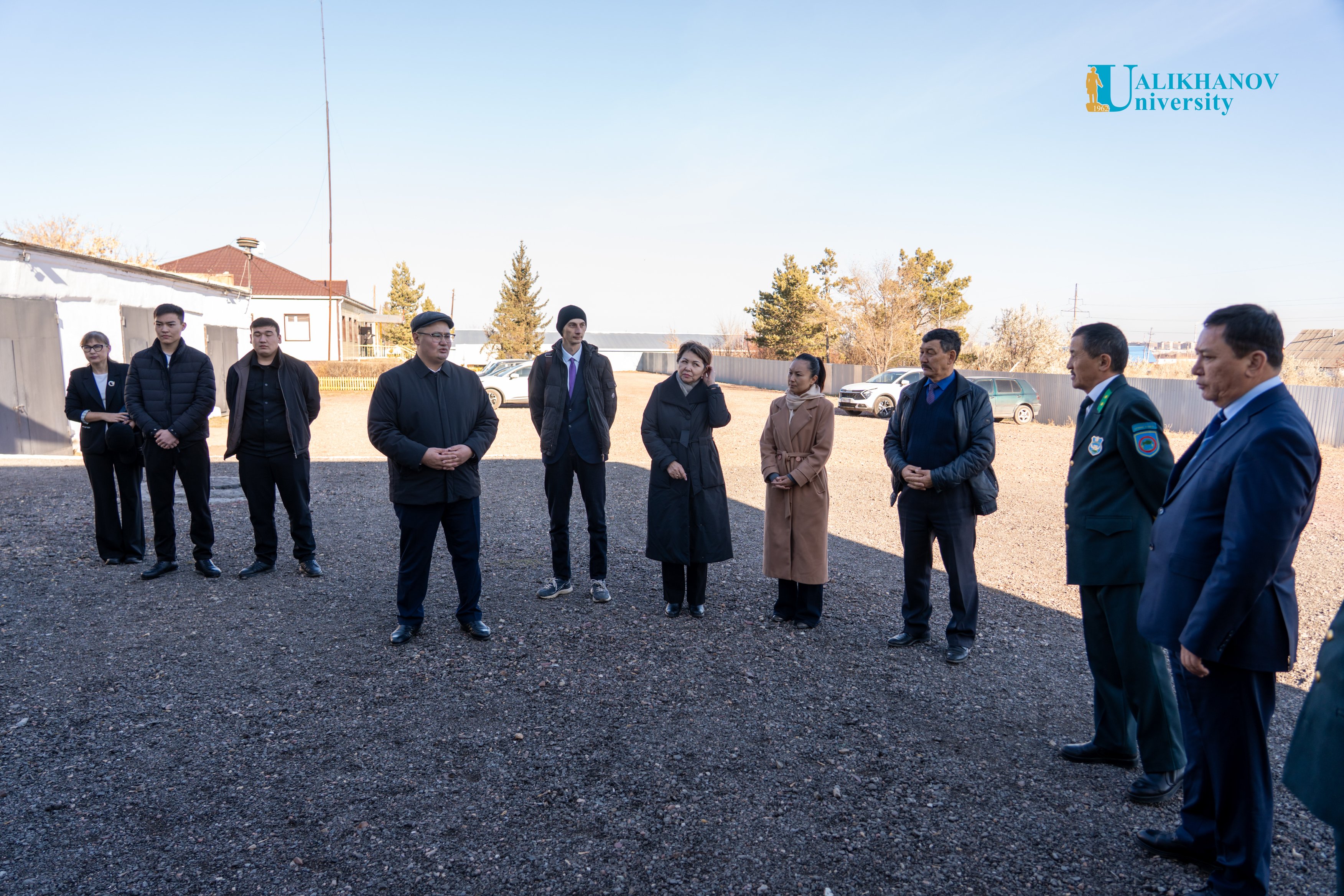
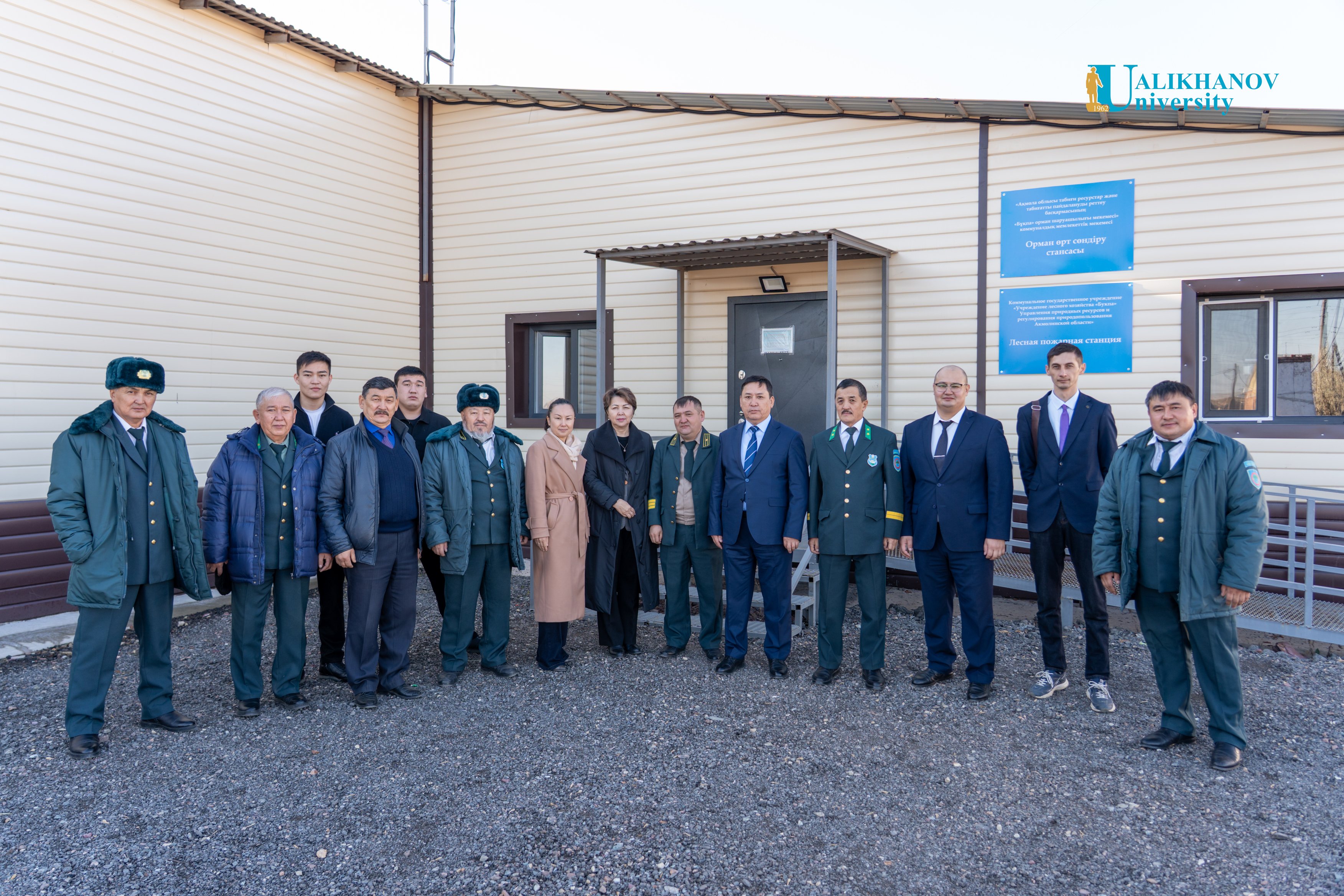
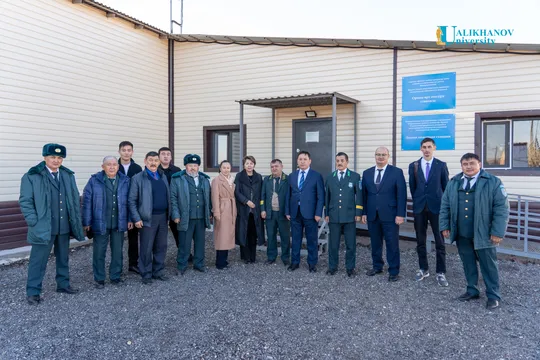
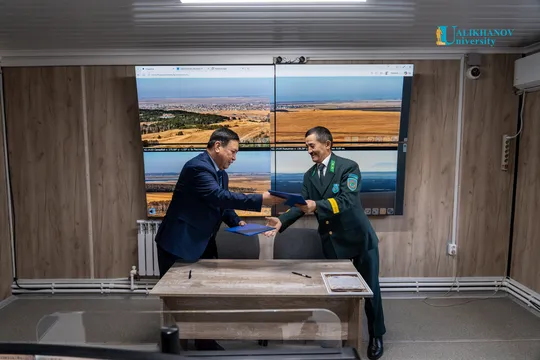
On November 5, 2026, Ualikhanov University officially opened a branch of its Department of Agriculture and Bioresources at the Bukpa Forestry Institution, which operates under the Department of Natural Resources and Environmental Management of the Akmola Region.
The new branch is part of the S. Sadvakasov Agrotechnical Institute and will provide students with opportunities to gain practical experience in a professional forestry environment.
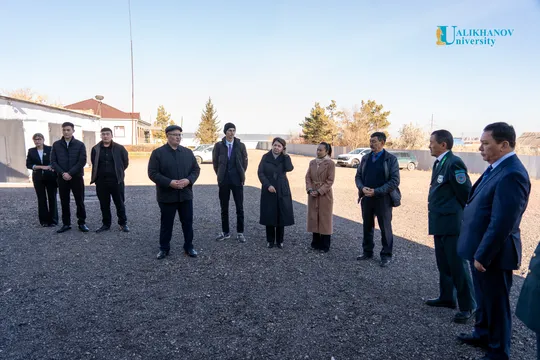
The opening ceremony was attended by S. Memeshov, Director of the Agrotechnical Institute; G. Battalov, Head of the Bukpa Forestry Institution; S. Balpanova, Head of the Career and Employment Center; M. Suraganov, Head of the Department of Agriculture and Bioresources; as well as faculty members and students enrolled in the Forest Resources and Forestry programme.
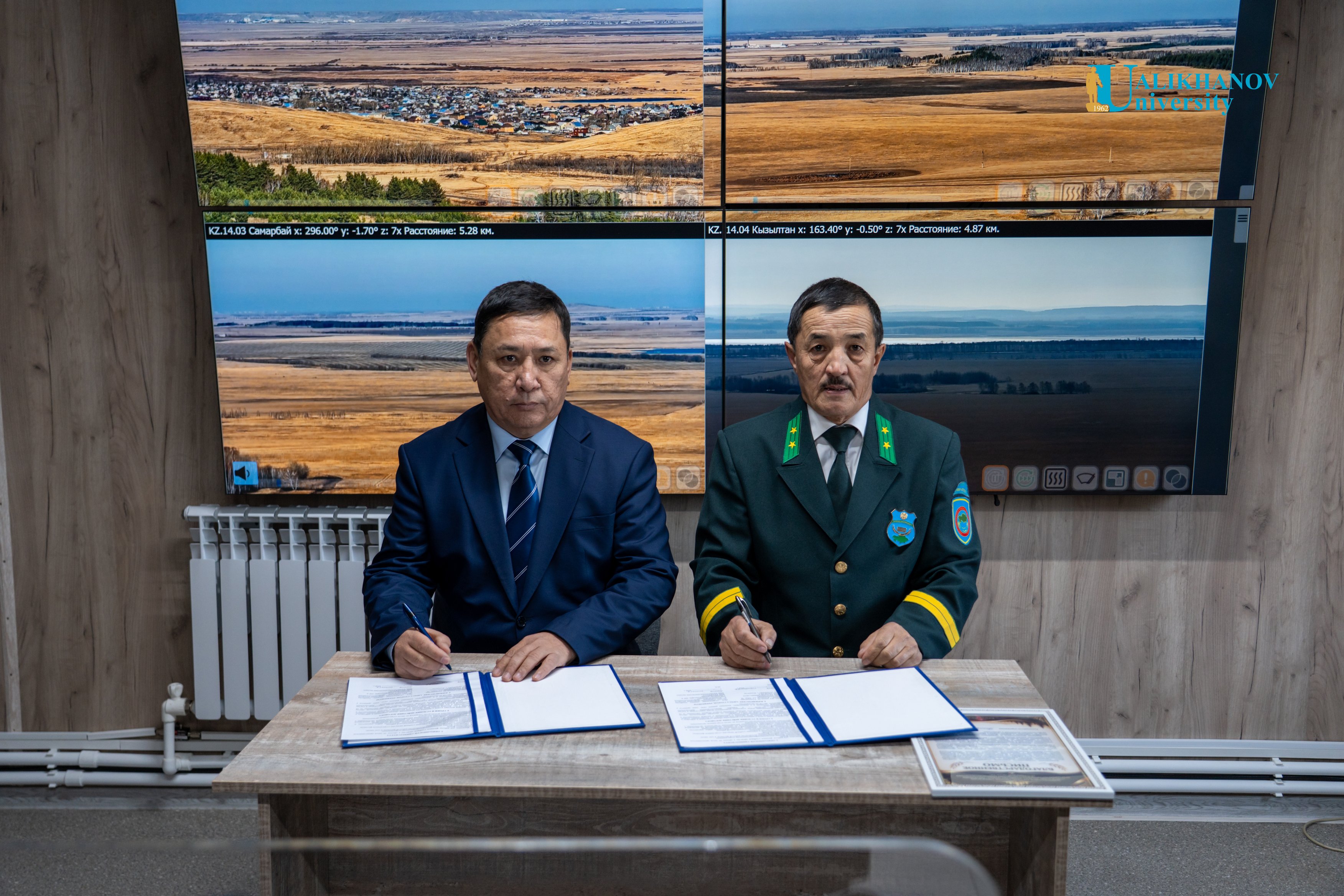
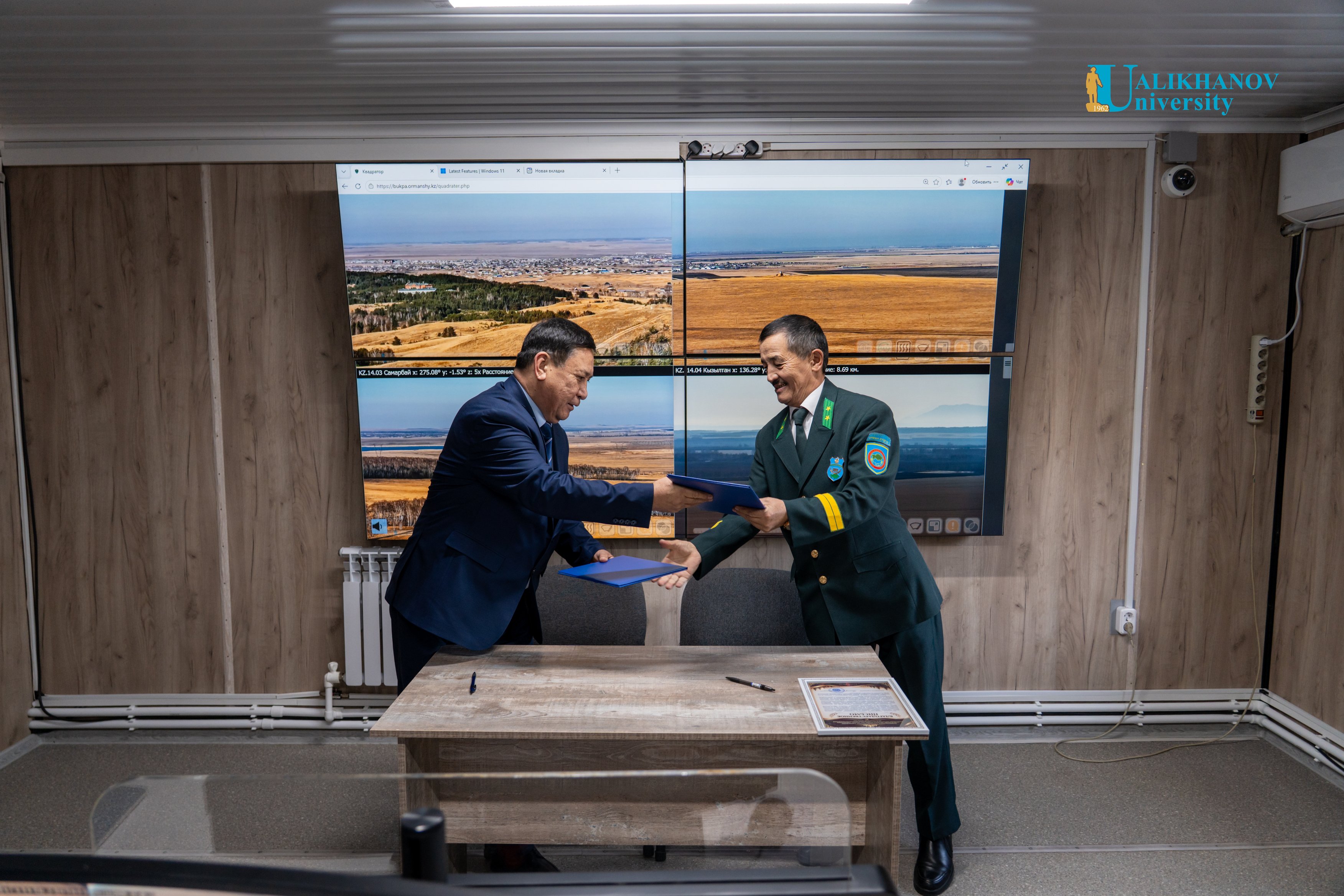
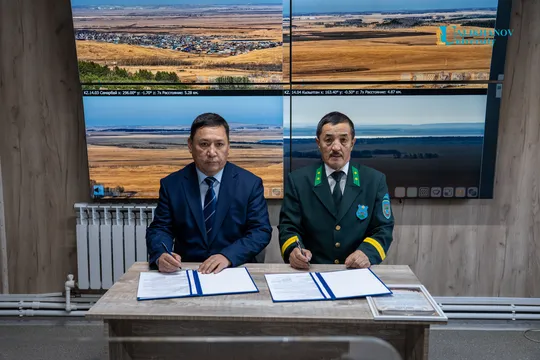
During the event, the university and the forestry institution signed a cooperation agreement aimed at strengthening practical training, expanding industry partnerships, and supporting the professional development of future specialists.
Through this partnership, students will have the opportunity to apply their theoretical knowledge in a professional setting, gain hands-on experience in forestry operations, and learn about modern approaches to forest conservation, protection, and management.A key feature of the Bukpa Forestry Institution is its advanced technical infrastructure. The facility operates an operational control centre equipped with a forest fire monitoring and early detection system. Unmanned aerial vehicles (UAVs) are also used to monitor forest areas, assess environmental conditions, and identify potential fire risks.
The new branch will provide additional opportunities for professional placements, practical skills development, and closer engagement with industry specialists, helping students prepare for their future careers.
Ualikhanov University continues to strengthen partnerships with regional organisations and industry professionals, placing practical experience at the heart of education. These collaborations help students develop relevant skills, gain exposure to modern technologies, and improve their employment prospects after graduation.