Ualikhanov University Presents Research Projects to Advance Inclusive Education in the Akmola Region
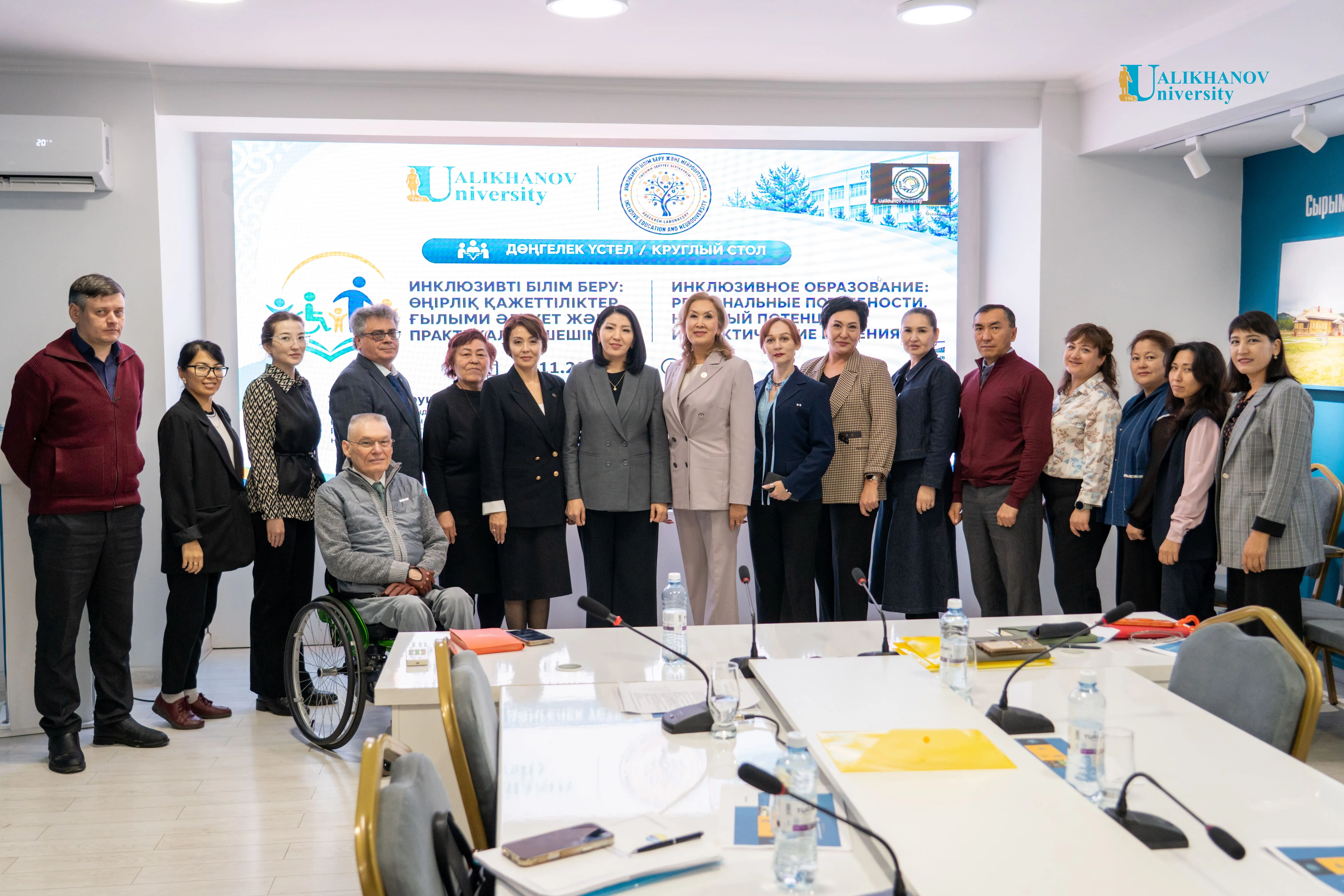
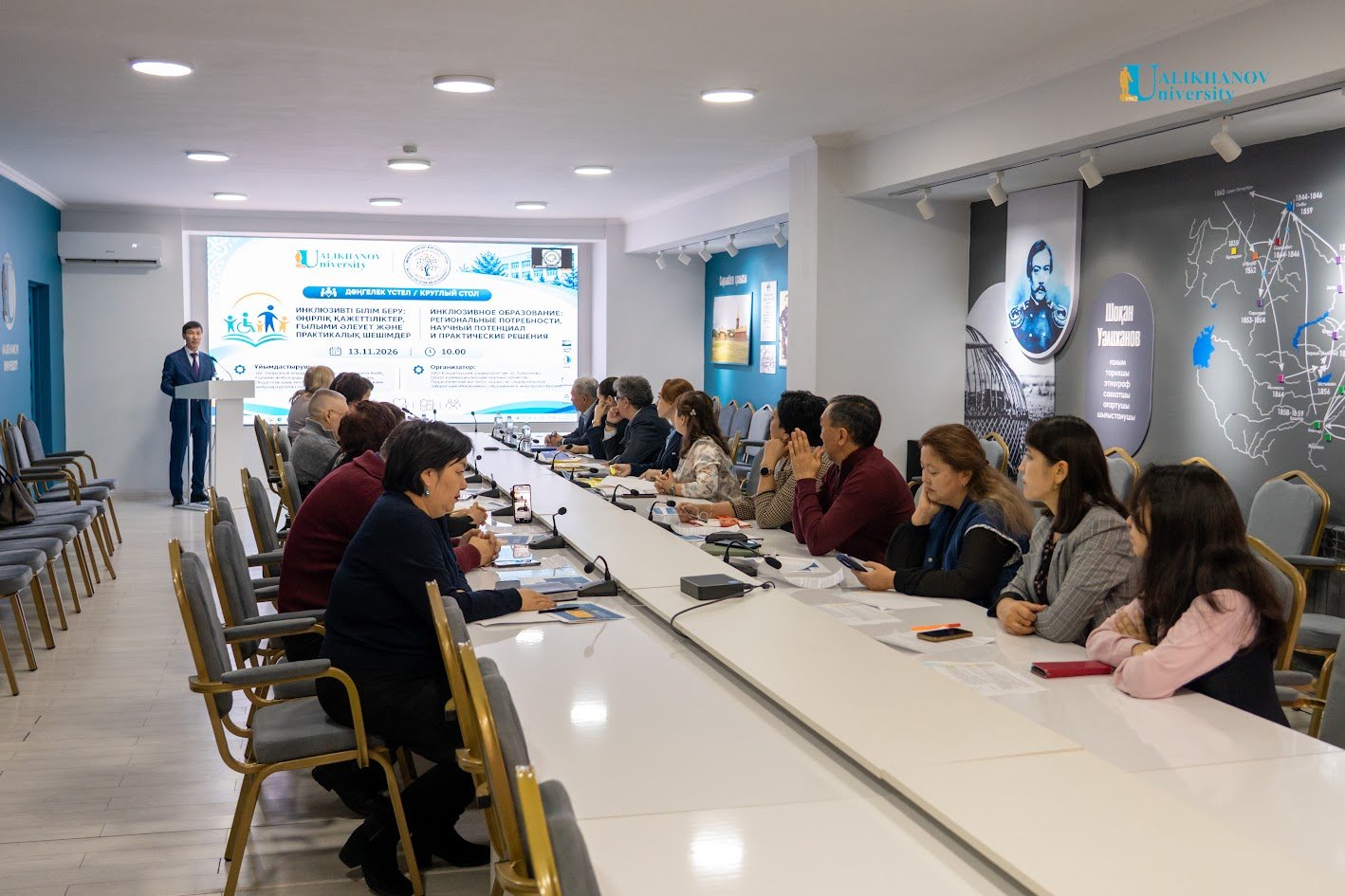
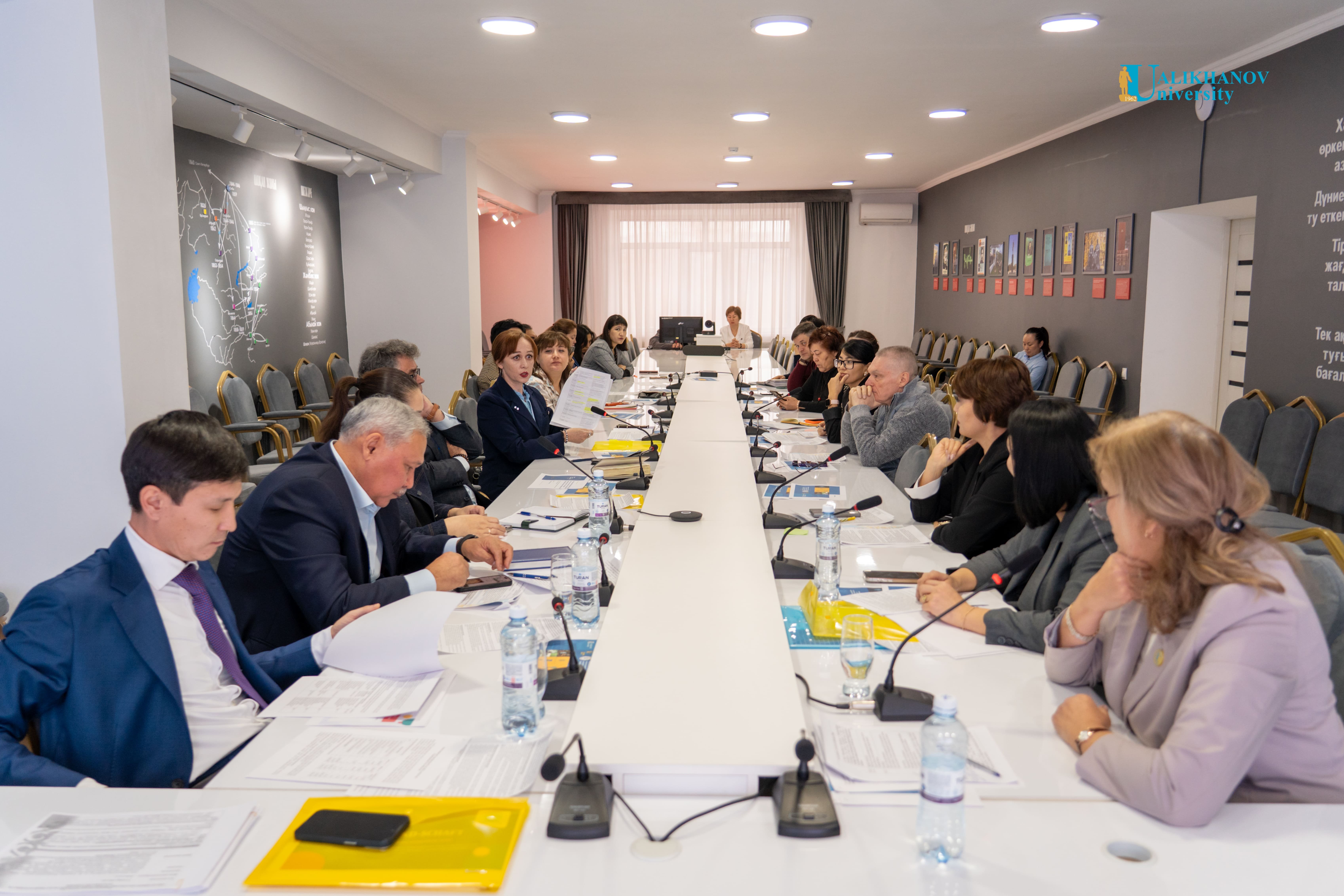
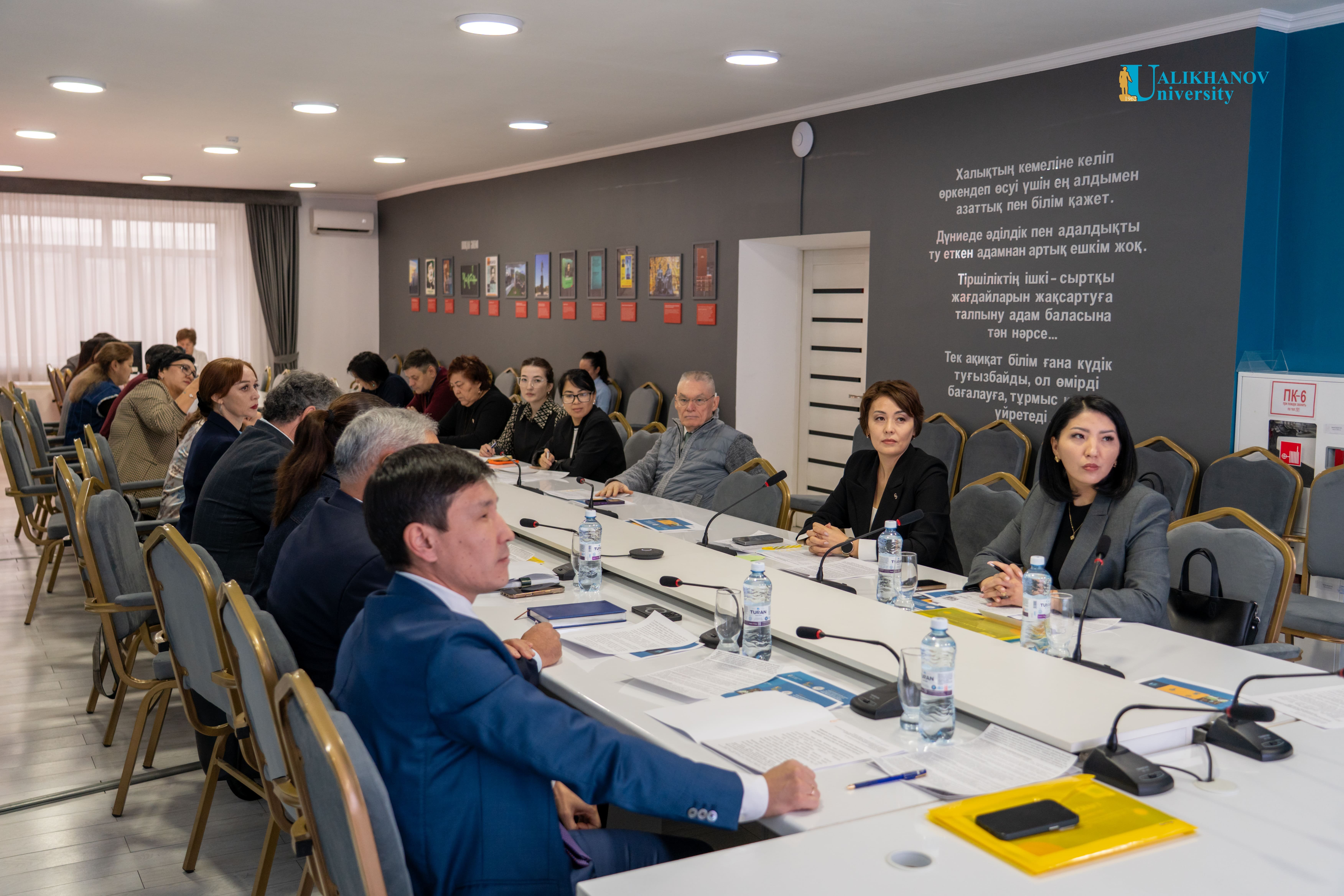
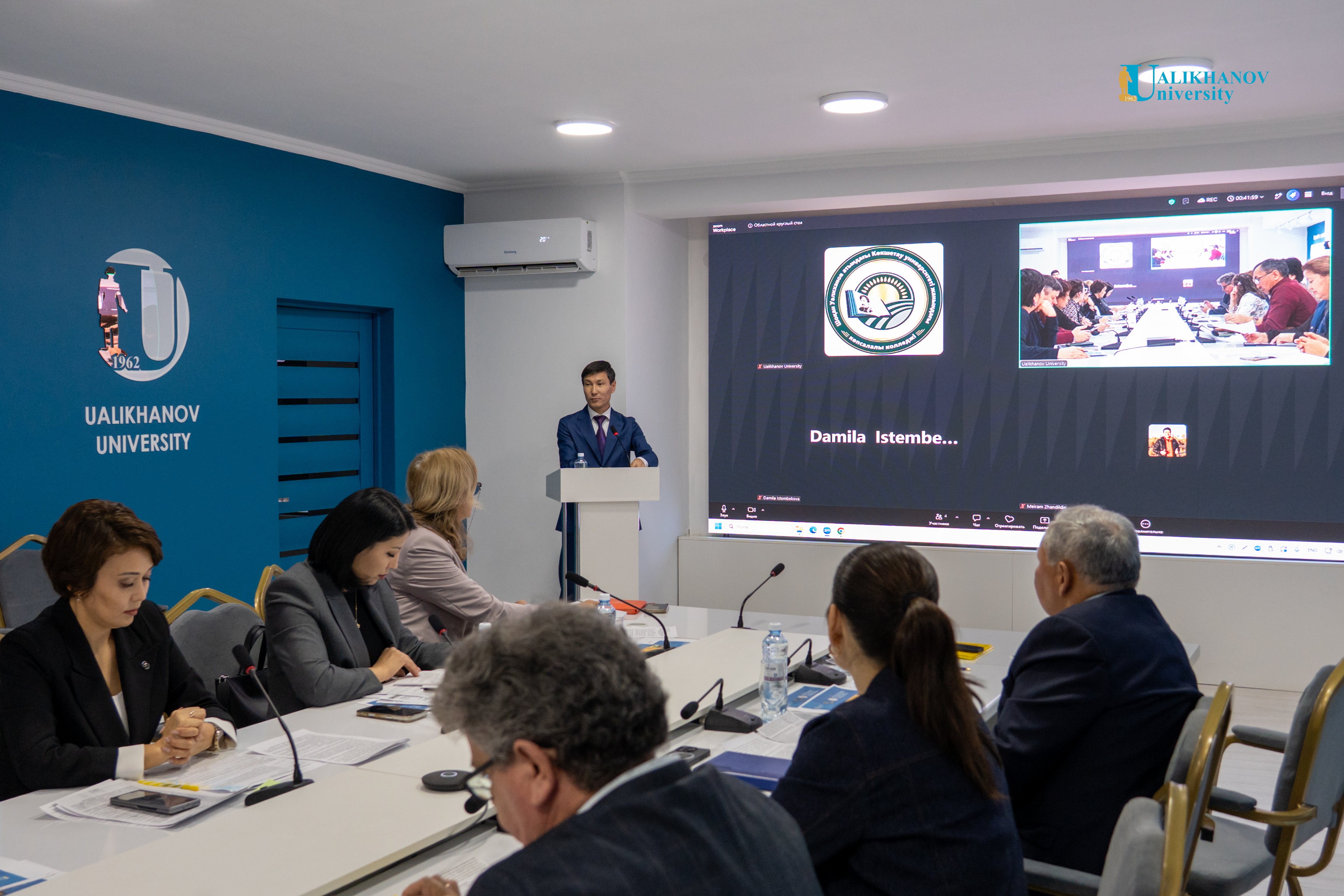
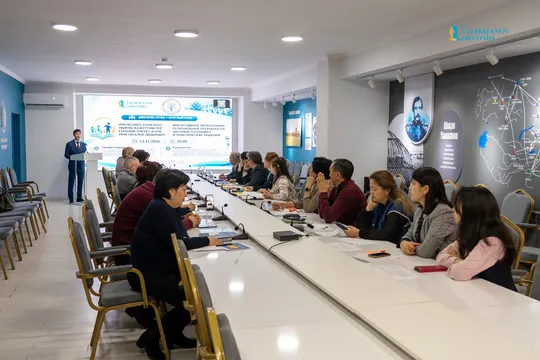
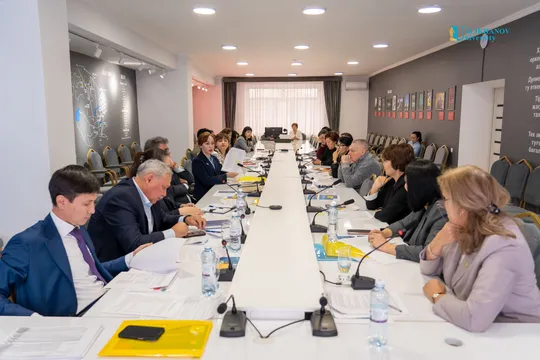
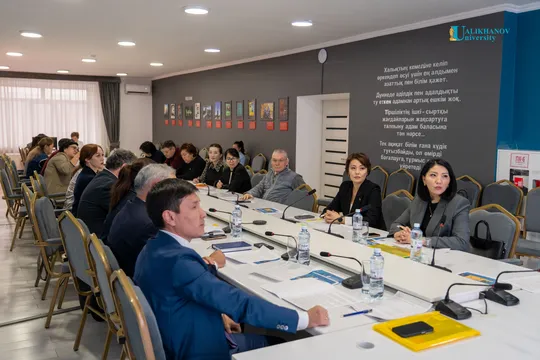
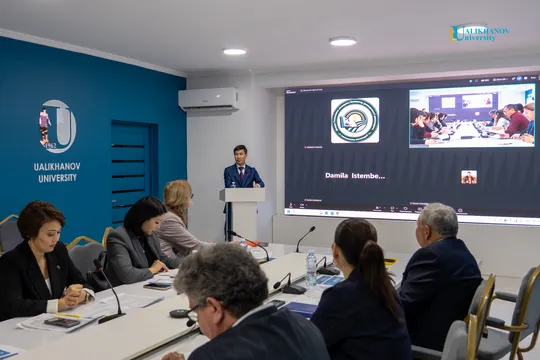
On November 13, Ualikhanov University hosted a roundtable discussion titled “Inclusive Education: Regional Needs, Research Potential, and Practical Solutions.” The event focused on creating more accessible learning environments, putting academic research into practice, and addressing key challenges in inclusive education across the region.
Participants included Aigul Zhakupova, Vice-Rector for Research and Regional Engagement at Ualikhanov University, who moderated the discussion; Dosulan Aitbayev, Deputy Akim of the Akmola Region; Aigerim Koshanova, Head of the Akmola Regional Department of Education; Sairan Shokimova, Head of the Psychological Support Center under the Regional Department of Education; and Madina Kozhubayeva, Principal of Secondary School No. 4 in Kokshetau. The event also brought together educational psychologists, representatives of non-governmental organizations, and university researchers.
The discussion centered on two applied research projects developed by Ualikhanov University researchers in response to the region's educational needs.
- ADAL LAND-SCHAFT, presented by Assel Kalymova, PhD, Head of the Department of Pedagogy, Psychology and Developmental Studies at Ualikhanov University, aims to establish an accessible system of psychological and educational support for parents and teachers. Built around a collaborative model connecting families, schools, and specialists, the project will offer psychological counseling, educational workshops, and practical assistance. It is initially planned for pilot implementation in Kokshetau and the Tselinograd District, with the potential to expand across the Akmola Region.
- “Creating a Barrier-Free School Environment to Strengthen Partnerships with Parents of Children with Special Educational Needs,” presented by Dmitry Lepeshev, Candidate of Pedagogical Sciences, Associate Professor, and Head of the Research Laboratory for Inclusive Education and Neurodiversity at Ualikhanov University, focuses on developing a research-based model of collaboration among schools, parents, and specialists. The project aims to create more accessible and supportive learning environments for children with special educational needs.
Both projects were developed through the university's Research Laboratory for Inclusive Education and Neurodiversity, established in 2025. During its first year, the laboratory produced methodological guidelines for university educators and higher education institutions, established partnerships with regional organizations, and expanded its international research collaborations.
During the roundtable, participants discussed the practical value of the proposed initiatives, opportunities for implementation in schools across the region, and potential funding from the regional budget.
The overarching goal is to translate university research into practical solutions that make a meaningful difference for schools, educators, families, and children who need additional support. By connecting academic expertise with the experience of education professionals across the region, Ualikhanov University aims to contribute to a more inclusive and accessible education system in the Akmola Region.