Ualikhanov University Hosts Roundtable with Youth Leaders from the Akmola Region
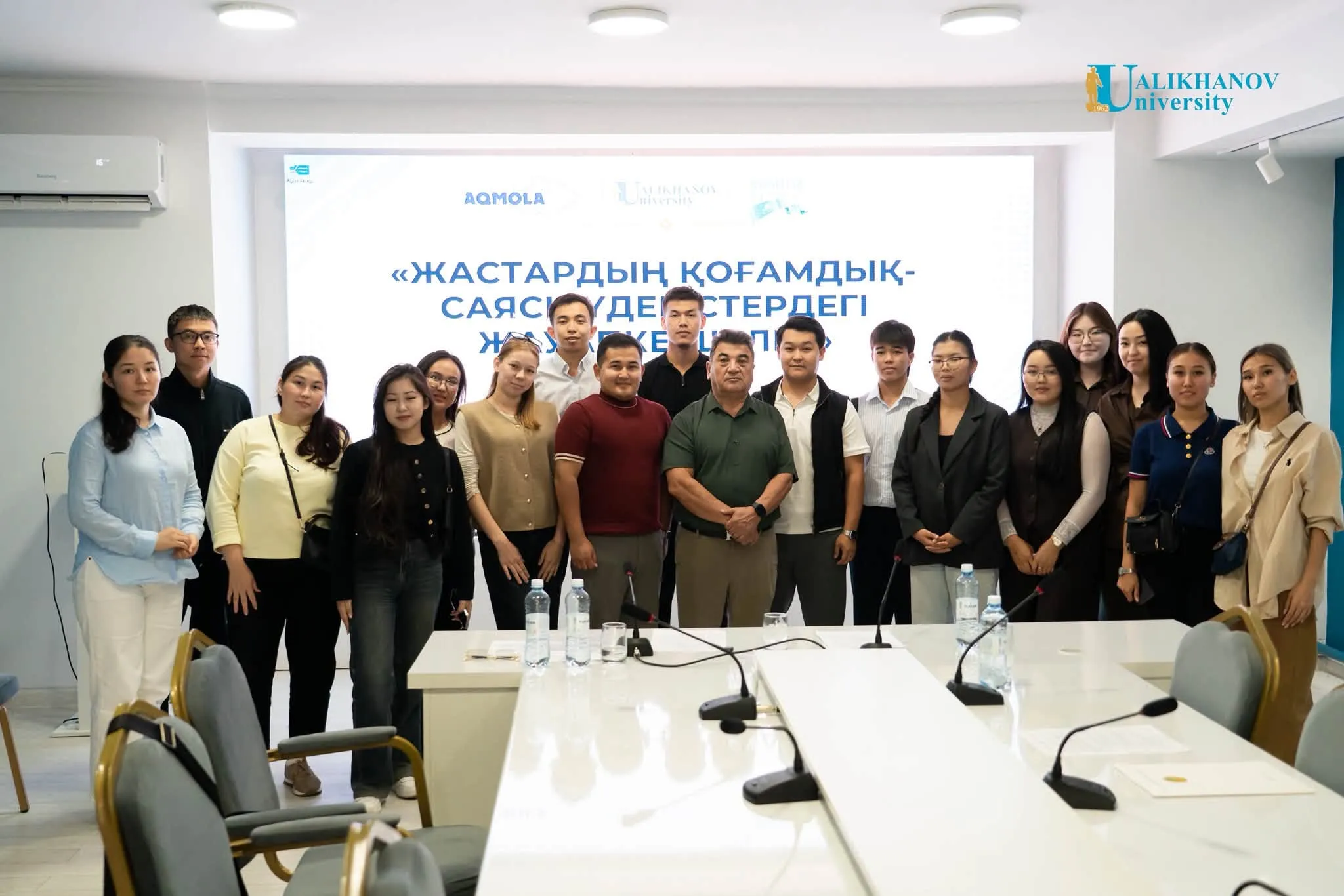
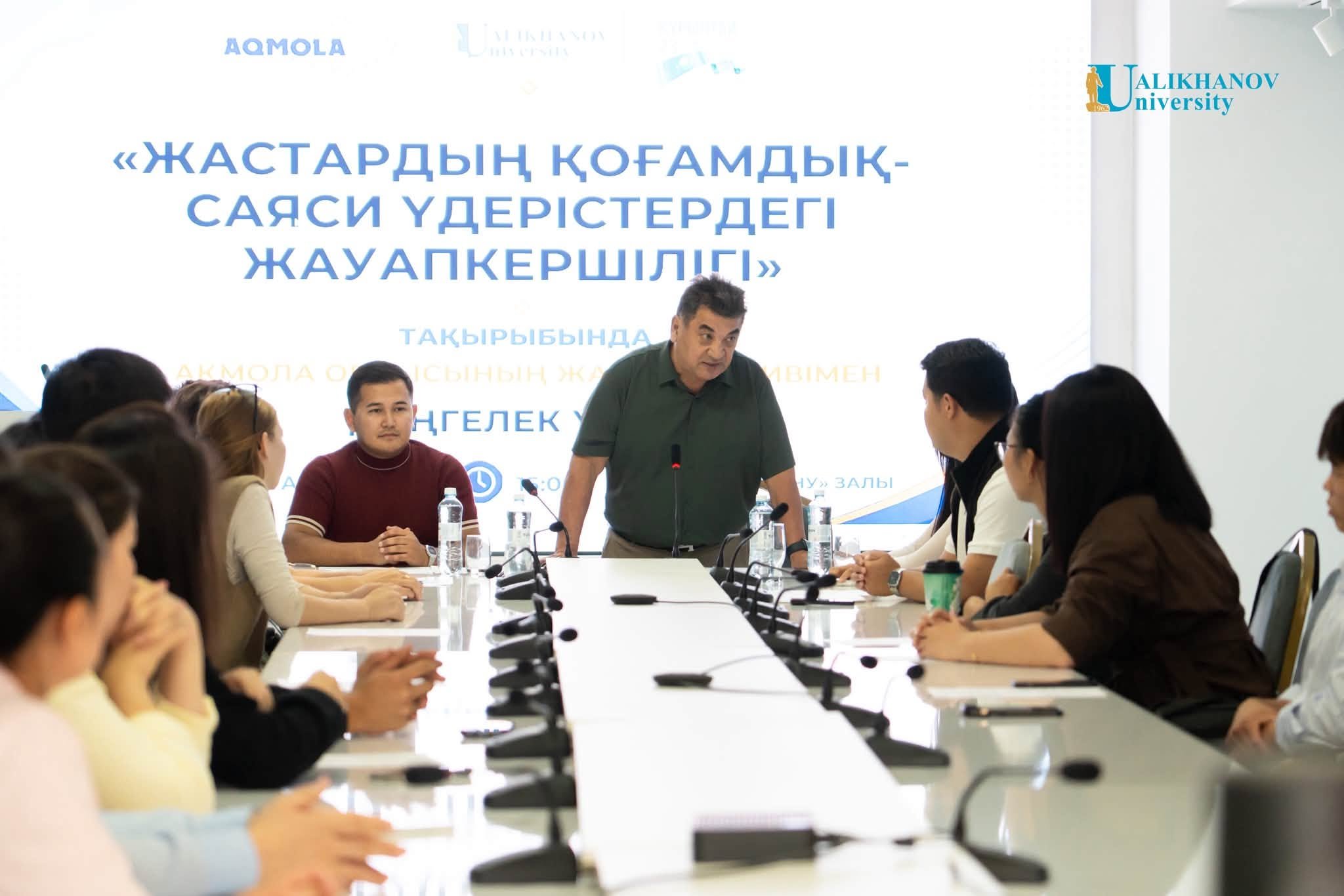
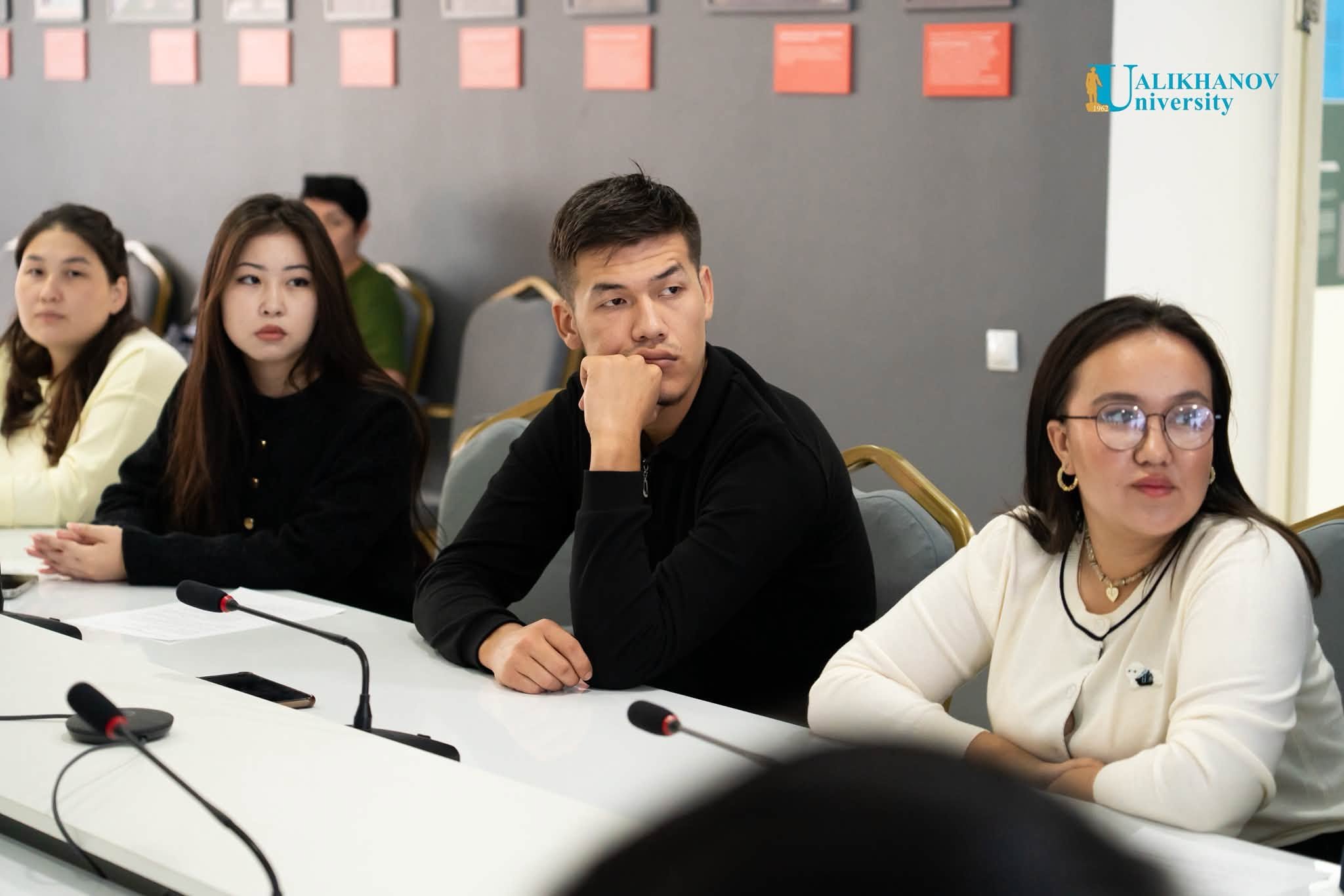
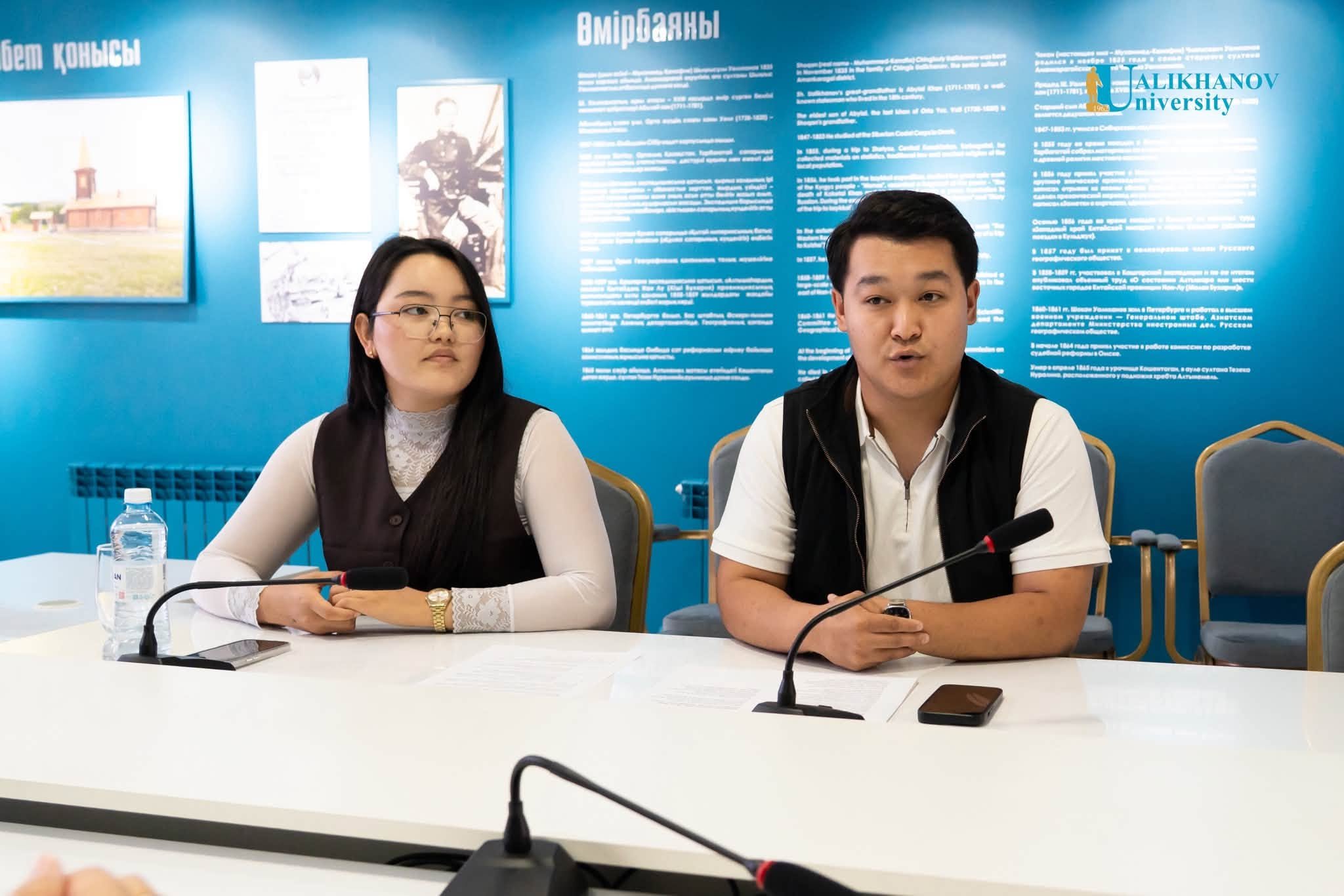
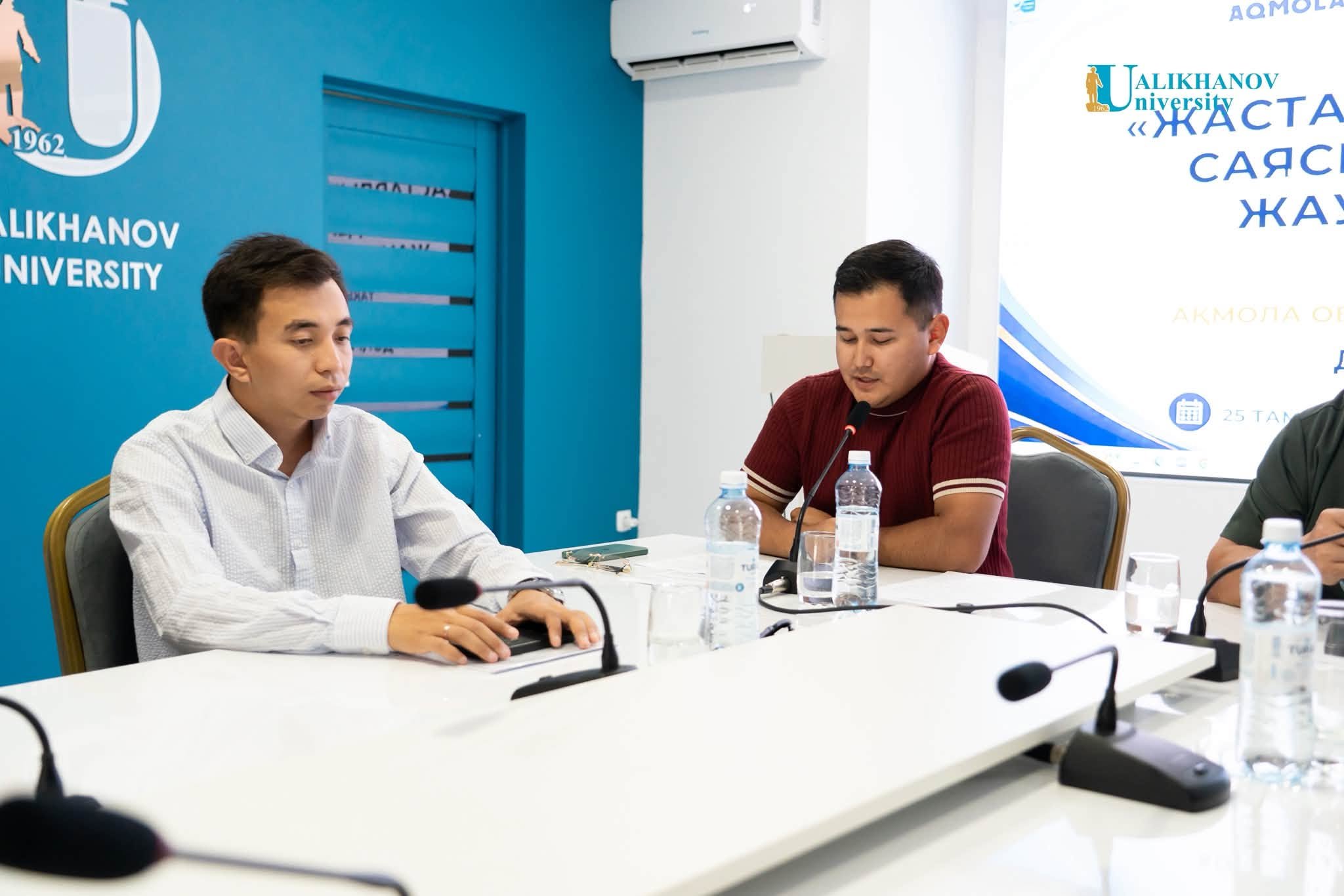
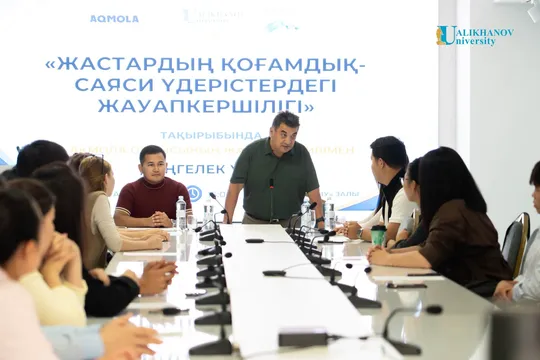
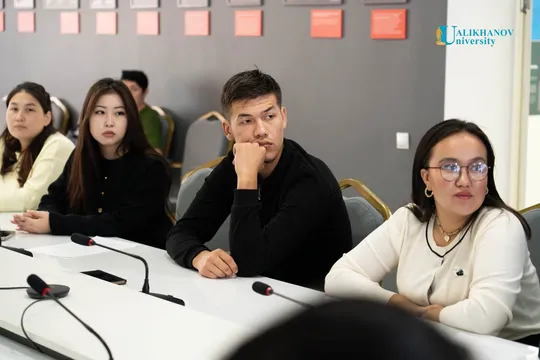
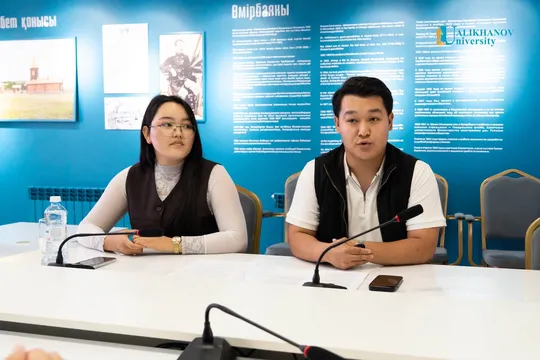
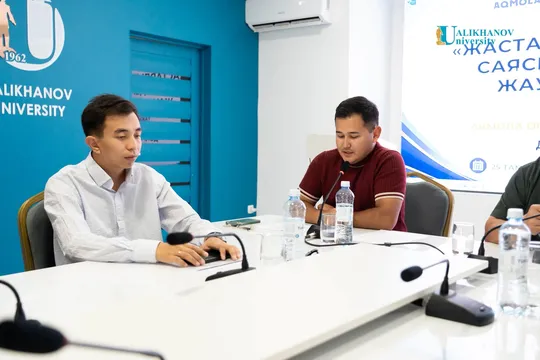
On August 25, Ualikhanov University, in partnership with the Akmola Regional Youth Resource Center, hosted a roundtable on “Youth Responsibility in Socio-Political Processes”. The event brought together youth leaders from across the Akmola region to discuss the role of young people in public life, civic responsibility, and political culture.
The roundtable aimed to strengthen civic and political awareness among young people, encourage responsible engagement in socio-political processes, and promote active citizenship and political and legal literacy. Participants also discussed the significance of the recent Kurultai election, the role of young people in the country’s ongoing socio-political changes, and the responsibilities of the younger generation within society.
The discussion was opened by Amanbay Seitkassymov, Advisor to the Rector of Ualikhanov University, Candidate of Historical Sciences and Professor, who highlighted the importance of informed and active youth participation in public life.
Shyngyskhan Yelesh, Head of the Department for NEET Youth Support and Counseling at the Akmola Regional Youth Resource Center, spoke on “Youth and the State: What Do Young People Expect, and What Does the Government Offer Today?” His remarks focused on the relationship between young people and the state, opportunities for youth engagement, and the resources and initiatives currently available to the younger generation.
Aqzhaiyq Qonys, a specialist with the Center’s Department for NEET Youth Support and Counseling, delivered a presentation titled “Youth Political Culture in the Age of Social Media.” He explored how today’s information environment and social media are shaping young people’s views and political awareness. Akhsunkhar Khuat, Head of the ZHASTAR RUHY Youth Wing at Ualikhanov University, also joined the discussion. She shared her perspective on the importance of active citizenship and greater youth participation in community and public initiatives.
The roundtable continued with an open discussion and Q&A session, giving participants an opportunity to exchange views on youth engagement in socio-political processes, critical thinking in today’s information environment, civic responsibility, and political literacy. Open conversations like these give young people the space to engage with the changes taking place around them, voice their perspectives, and develop a stronger sense of civic responsibility. Ualikhanov University will continue to foster open dialogue with young people, support their initiatives, and create opportunities for meaningful civic engagement.